
2026-11-20 09:37
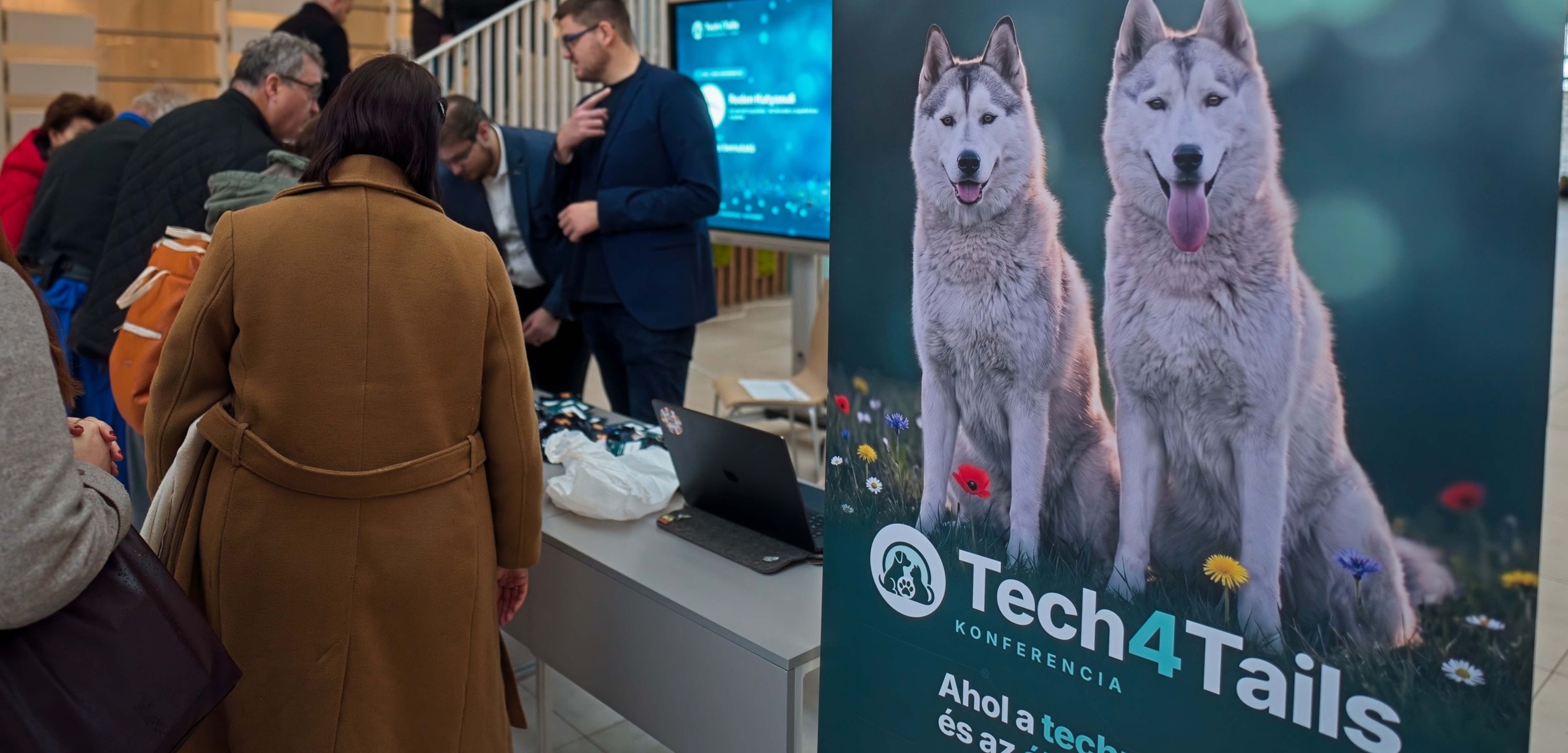
How can artificial intelligence help detect animal abuse? What digital solutions can make animal care more effective, and how can state-of-the-art technologies support the work of rescue dogs? These were among the questions addressed at the Tech4Tails Animal Welfare Conference held on November 10, 2026, which was hosted by the CAMPUS of John von Neumann University.
The goal of the event was to create a common platform for representatives of animal welfare, law, science, and technology, demonstrating how modern digital solutions can contribute to animal welfare and protection. The presentations revealed that animal welfare is not merely about rescuing animals and handling emergency situations, but also about prevention, education, collaboration, and shaping long-term attitudes.
In his opening remarks, Dr. habil. Tamás Fülöp, Rector of Neumann János University, emphasized that for the university, innovation does not mean technological advancement for its own sake, but rather a tool that can contribute to making the world around us a better place. As he put it, the level of development of a society is reflected not only in its economic performance and technological achievements, but also in how it treats the most vulnerable and how it uses its knowledge to improve the quality of life.
The Tech4Tails conference embodies precisely this approach. It harnesses the potential of artificial intelligence, sensor technology, and data-driven solutions to serve human and animal well-being. The rector emphasized that technology and humanity are not opposites but rather mutually reinforcing values, and that the university, together with its staff and students, takes responsibility for society, the environment, and wildlife.
The conference was opened by Dr. Szilvia Vetter, a specialist in animal protection and legal psychology and the director of the Center for Animal Protection Law, Analysis, and Methodology at the University of Veterinary Medicine, with a presentation in which she outlined the potential of artificial intelligence in uncovering the link between animal cruelty and violence against humans.
She emphasized that animal protection is based on the intersection of numerous disciplines, and although significant progress has been made in Hungary over the past decades, in everyday life the greatest challenge often still lies in mitigating harm and addressing problems after the fact. However, moving forward requires long-term goals and a clear vision for the future. Spaying and neutering and animal rescue are important areas of this work, but animal protection means much more than that.
In his presentation, he also highlighted the connections between violence against animals and violence against humans. The analysis presented—based on data from approximately 19,000 police incidents—highlighted that animal protection cannot be treated in isolation from the safety of human communities. Based on the “One Health—One Well-being” approach, human and animal well-being are closely intertwined.
Levente Nagy, a representative of the NOÉ Animal Shelter Foundation, spoke about the practical aspects of animal welfare. In his presentation titled “The Present and Future of Animal Welfare—Can the Dream Become Reality?”, he outlined the activities of the organization, which has been operating since 1992 and is dedicated to rescuing and caring for numerous different animal species. She emphasized that one of the most important tasks of animal protection is raising awareness. Education can provide a long-term solution to indifference and a lack of interest in animal welfare issues, which is why it is equally important to engage both young people and adults.
Dr. Márta Angyalné Alexy, an associate professor with habilitation and an agricultural engineer at the János Neumann Faculty of Information Technology at Óbuda University, presented on the relationship between technology and animal husbandry. In her presentation titled “The Role of Digital Solutions in Animal Husbandry,” she drew attention to the possibilities of data collection using cameras and other digital devices. She pointed out that collecting individual data can provide an important foundation for understanding animal behavior and condition. However, technology alone is not enough; while cameras provide data, human expertise is still needed to interpret that data and make appropriate decisions.
Susy Utzinger, founder of the Swiss Susy Utzinger Animal Welfare Foundation, presented the international dimension of sustainable animal welfare in her online lecture. In her presentation titled “Sustainable Animal Welfare,” she drew attention to the importance of long-term sustainable animal welfare.
Dr. Pálma Piller, a veterinarian and technology entrepreneur and founder of PetWiseCare, spoke in a presentation titled “Prevention Is Also Animal Welfare—Digital Solutions for Animal Well-being” about how animal welfare can move beyond addressing existing problems and how prevention can become part of everyday practice.
In her presentation, she pointed out that pet owners often fail to recognize the early signs of pain or illness in their pets in a timely manner. Geographic distance, financial difficulties, and a lack of information can also hinder the proper care of animals. Digital solutions and artificial intelligence can help with the structured collection and interpretation of symptoms, as well as the development of personalized prevention strategies. She emphasized, however, that AI cannot replace the veterinarian; the final decision remains the responsibility of the human professional.
Dr. Ágota Juharos, chief radiologist and founder of the “A Smile with a Dog” Foundation, drew attention to the special bond between humans and animals. In her presentation titled “Robot or Dog?”, she highlighted the positive effects dogs have on human life and health. Interacting with a dog—petting it and spending time together—can contribute to the production of oxytocin in both parties, while also lowering cortisol levels, the stress hormone. One of the key messages of the presentation was that, even amid technological advancements, we must not forget the value of living relationships and the emotional presence of animals.
Dr. Csilla Nagy, an animal welfare lawyer and the first recipient of the Animal Welfare Lawyer of the Year award, explored the connection between responsible dog ownership and technological solutions applicable in hunting areas in her presentation titled “Animal Welfare and AI in Hunting Areas.” She highlighted conflicts that arise in hunting grounds, as well as situations in which the safety of dogs and their owners may be at risk. With the help of smart collars and tracking systems, dogs’ movements can be monitored more accurately, and the technology can also contribute to prevention by flagging dangerous areas. The presentation also demonstrated how drones and image recognition systems can offer new possibilities for monitoring hunting grounds.
Another unique area of the relationship between technology and animals was the work of search-and-rescue dogs. Péter Trencsényi, president of the Hírös Rescue Team Kecskemét Search and Rescue Association, offered a glimpse into the world of dog-assisted rescue in a presentation titled “Loyalty to the Very End: The Everyday Lives of Search-and-Rescue Dogs and Their Handlers.”
The association conducts search-and-rescue operations in Bács-Kiskun County, including participation in rubble searches and the recovery of remains. During the presentation, topics included the training of rescue dogs, the special bond between handlers and their dogs, and the modern equipment used during missions. The team’s work is also aided by thermal imaging drones, which allow them to survey large areas in a short amount of time. Technological advancements are making new tools available; endoscopic cameras, specialized drones, and robot dogs are already being used—or will be used—in search operations. In 2023, the rescue team also participated in search and rescue efforts following the earthquake in Turkey.
Another important topic at the conference was how artificial intelligence can facilitate the day-to-day operations of shelters. Lóránt Szabó, director of the Artificial Intelligence Knowledge Center at János Neumann University, presented several practical applications in his lecture titled “The Use of Artificial Intelligence in Shelter Management Software.”
For example, AI can support the image-based identification of lost animals, the creation of adoption profiles, and the streamlining of shelter administration. By processing photos and text data, it becomes easier to compile profiles for animals available for adoption, while facial recognition and image recognition can open up new possibilities for identifying animals. The technology can also assist in monitoring animal welfare. For example, camera surveillance of kennels can detect behavioral changes that may indicate health issues. Analyzing this data can thus help caregivers recognize sooner when an animal needs assistance.
The professional program concluded with a roundtable discussion titled “From Legal Provisions to Shelters—Genuine Collaboration Between the Legal, Scientific, and Civil Sectors,” featuring Levente Nagy, Dr. Csilla Nagy, and Dr. Beatrix Lukács. The discussion was moderated by Zoltán Árvai.
The conference program was also enlivened by a spectacular dog demonstration by the Roden Dog School in Kecskemét, which offered a glimpse into the world of practical dog training.
The most important message of the Tech4Tails Animal Welfare Conference is that the protection of animals is a shared responsibility, to which shaping public attitudes, professional collaboration, and technological innovation can all contribute. Artificial intelligence and digital tools create new opportunities, but animal welfare must continue to focus on the animals’ well-being.
.jpg?r=ce07db82da0a2151b6bcb0dd513ac8b9)
.jpg?r=ce07db82da0a2151b6bcb0dd513ac8b9)
.jpg?r=8e32ce8d55244ab2358ada8e8e3997f5)
.jpg?r=4a5bcab6fcb438bf247046b7c92e9b7d)
.jpg?r=0cbf5b11b3dcbb6244cabc83b420f59c)
.jpg?r=24ea697aaae0c6a8dfd07cfc2aad9158)
.jpg?r=f77d156852a683eab9d7a478ac20314b)
.jpg?r=d5399ba86ae70bec26544ed61f2f8c7f)
.jpg?r=328a0992ed13cd7f2e6cba14e60e9b94)
.jpg?r=5ac6b193d1e5b0287a7936c0be01907c)
.jpg?r=5ac6b193d1e5b0287a7936c0be01907c)
.jpg?r=2516177541fd7a7f980416c2177ef422)
.jpg?r=66aed0746ba807665779698da24cef32)
.jpg?r=4ecf55128c53946cf5b692a0613c541b)
.jpg?r=12883ccf974fd5e57def0155392427e0)
.jpg?r=60a626913f273bd6ed26103edd9d1595)
.jpg?r=e9c41438201ed8f917e24ab7e096378a)
.jpg?r=b863eba746e405970e4e8e8c037f8066)
.jpg?r=b1fab85bfe30a8217b8a76499f56bfb0)
.jpg?r=faa49be7cbc33c0e8044b7eb0c6e86d8)
.jpg?r=0d708f7ab5d71d56e5add8f6d240b87d)
.jpg?r=39bdd2853acc1d4df6e680adc7a02dd6)
.jpg?r=cb23f78d43795b562367e4a1968d67fa)
.jpg?r=54815f7433ffa66d926ce3a8c93e5352)
.jpg?r=8df9838726af10826edffcce4cf3e484)
.jpg?r=8df9838726af10826edffcce4cf3e484)
.jpg?r=91b8d6e44cdaf2d82424ae2b92541253)
.jpg?r=261a0969acdee9c2d333f10bf07ca9c1)
.jpg?r=a58335ac53f64a69be7561dbe8f185c3)
.jpg?r=1da67e8acd353ad0ffbd143d623c503a)
.jpg?r=942b0efdf0fb6d1098019dc7dd411c46)
.jpg?r=44692dc54fd65ea2e04240e889732a83)
.jpg?r=bb996452f05854b9d44565a9c999c7d0)
.jpg?r=6c6e7aeddb7cebda7dc691a9e5ed8216)
.jpg?r=1cfcc40b21a32896ac6c10b99ea91a3e)
.jpg?r=562c4b25904b892f5dc834b205b1bf82)
.jpg?r=f970a922b09a180141cca29733e6c269)
.jpg?r=6d99edaa3aae818fb072bfa91840c443)
.jpg?r=b1fb6cb2f777ba5362b3d58964fa9d84)
.jpg?r=4c796d00c5aad462db9506ae76e8af9f)
.jpg?r=abc37d51e3398dcad5cef92d4c3e4aca)
.jpg?r=96a9d21d551b49ecd3e7b4ae046d5eff)
.jpg?r=aee344eeff40576526d947ecdfc36a8e)
.jpg?r=369f2d88bc903f003328d3699f9de71f)
.jpg?r=bce9a14fb25750ba716f8b73ab56ed60)
.jpg?r=95526db01914fff3e4b90cb513e004cc)
.jpg?r=ec831b3ecbfb9b4d6223a3bbcd7cc66c)
.jpg?r=224c0980392a5ff95ff2566aa87ade09)
.jpg?r=e2ce696253b2082e322e55e51c5bc4d6)
.jpg?r=7f77198d1f4abf8306dacf922fad8129)
.jpg?r=99a6382b8e5537e7fd5230a44738aeb2)
.jpg?r=5b786838b8ee40fc14c5ad19847ec6dc)
.jpg?r=fb09eaf3b80ef8465e6e1d073dea0580)
.jpg?r=3ad5c42262150604a74beeafc3c7b3a5)
.jpg?r=d02a46d7a82ed9af9d99bdcdd8bd83cb)
.jpg?r=f9bb7a5e65eb3521e43404ab1920121d)
.jpg?r=a24485b5ff3cfc55e3a2386f3200171c)
.jpg?r=f9e3f40661f9c49948cced2ef8992837)
.jpg?r=f9e3f40661f9c49948cced2ef8992837)
.jpg?r=aa609dc87d59e4be47c98597ed6917dc)
.jpg?r=abb3fc16aad84b6015c251832901e849)
.jpg?r=34a16ba6afc80131250989539898598d)
.jpg?r=2a24d1596577fc7559ba8757eb6065d5)
.jpg?r=6ad3768d2fa07782faaf11d612bebf2f)
.jpg?r=3a9df036d29ac2edff773ca754d3b92f)
.jpg?r=45d0756f92053b3b88ed2ed996b48e37)
.jpg?r=45d0756f92053b3b88ed2ed996b48e37)
.jpg?r=ec4abb757362ca7f5eadd7bce3a97a43)
.jpg?r=ff5e48d4b388b0a7cc5484db4728bb21)
.jpg?r=2c0e0239f217a7b64bbf492f15d07e6e)
.jpg?r=c2c47d98d1533d8b4a33a4ceecdb5e21)
.jpg?r=af5b524fef71d9a7ed23e82ecd5e035d)
.jpg?r=1e93443a2fc05a9fb82788686733ff09)
.jpg?r=be3cf3916ffcf72fed7cac721f9b213c)
.jpg?r=e5dd30c6ad8efc7aa00493789dddf4af)
.jpg?r=b1aea96596157999e7a3408b9921c0b5)
.jpg?r=bf123a687479786d0c3794da92d4e918)
.jpg?r=bf123a687479786d0c3794da92d4e918)
.jpg?r=4d5dac100b728278f29c2f3014d7a6f5)
.jpg?r=5427def1304f4a06a7d10439e28f3d5e)
.jpg?r=5aec23ec547eb973c366ad368693e21b)
.jpg?r=16884a12961c356126d622781affd343)
.jpg?r=48ce60f5efc9d059f1447d26cb334645)
.jpg?r=a6a29d646f3bbd323b15f3e2b8e90d39)
.jpg?r=4a580e0ea1218af7f6f4864d9c79e39d)
.jpg?r=e1fd5d4f6bb57fbcbf7a453be46edae2)
.jpg?r=cdc74069d1514a7c302dd410f0652fd1)
.jpg?r=9bbc6c16fad5848f12d32ac99331632c)
.jpg?r=5ad33667e608f04fb34cebcea3f73b42)
.jpg?r=8023e41f8ba1fa04a0a37a0dc1c40554)
.jpg?r=c49ee5b5182a3fb25e0708817c345244)
.jpg?r=8378177e315dc8b597b3387af1ec7d51)