2026-09-30 15:01
Exciting experiments, robots, lasers, superconductivity, unique optical phenomena, plastic magic, race cars, and even a BBQ awaited visitors at Researchers’ Night at Jphn von Neumann University on September 26, 2026. Once again, the programs demonstrated that science can be not only interesting but also spectacular and exciting.
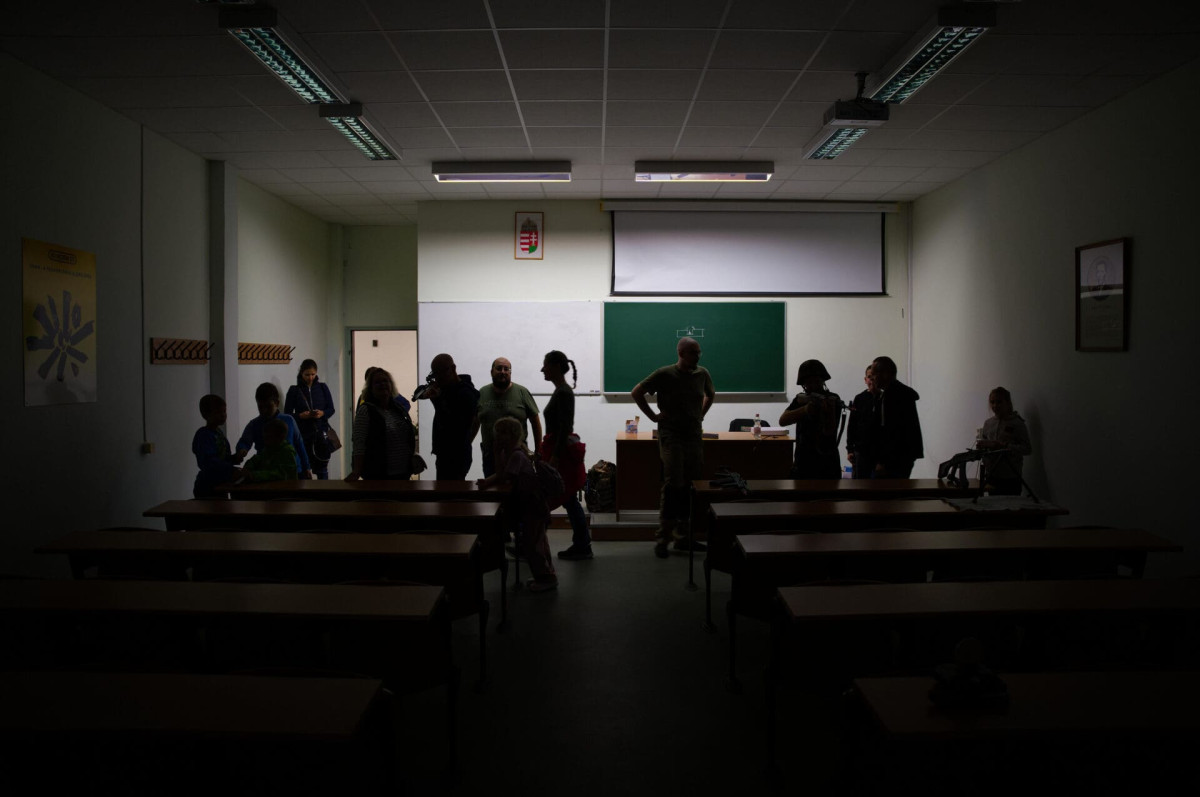
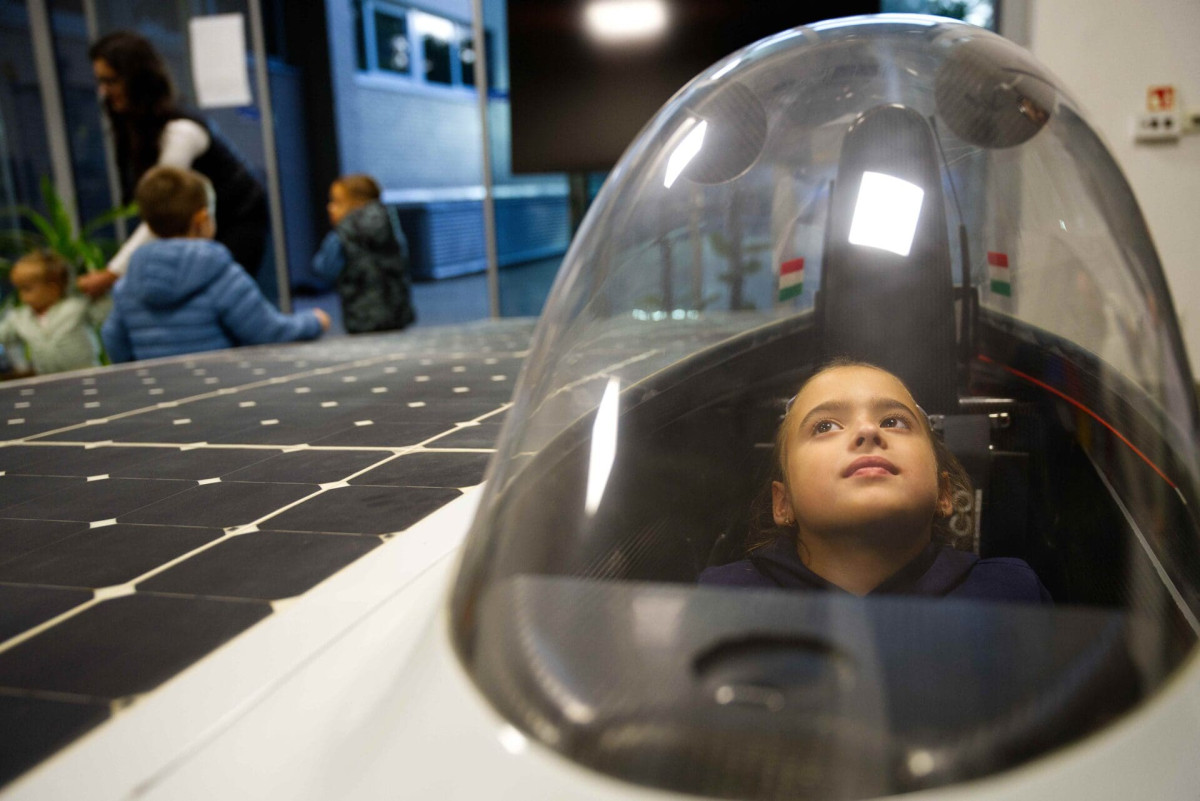
Across multiple locations on campus, a series of special demonstrations and interactive programs offered insights into a wide variety of scientific fields. Visitors were able to experience modern technologies up close, while also trying out for themselves—through numerous hands-on activities—how scientific and engineering solutions work in practice.
Robots, Artificial Intelligence, and the World of Games
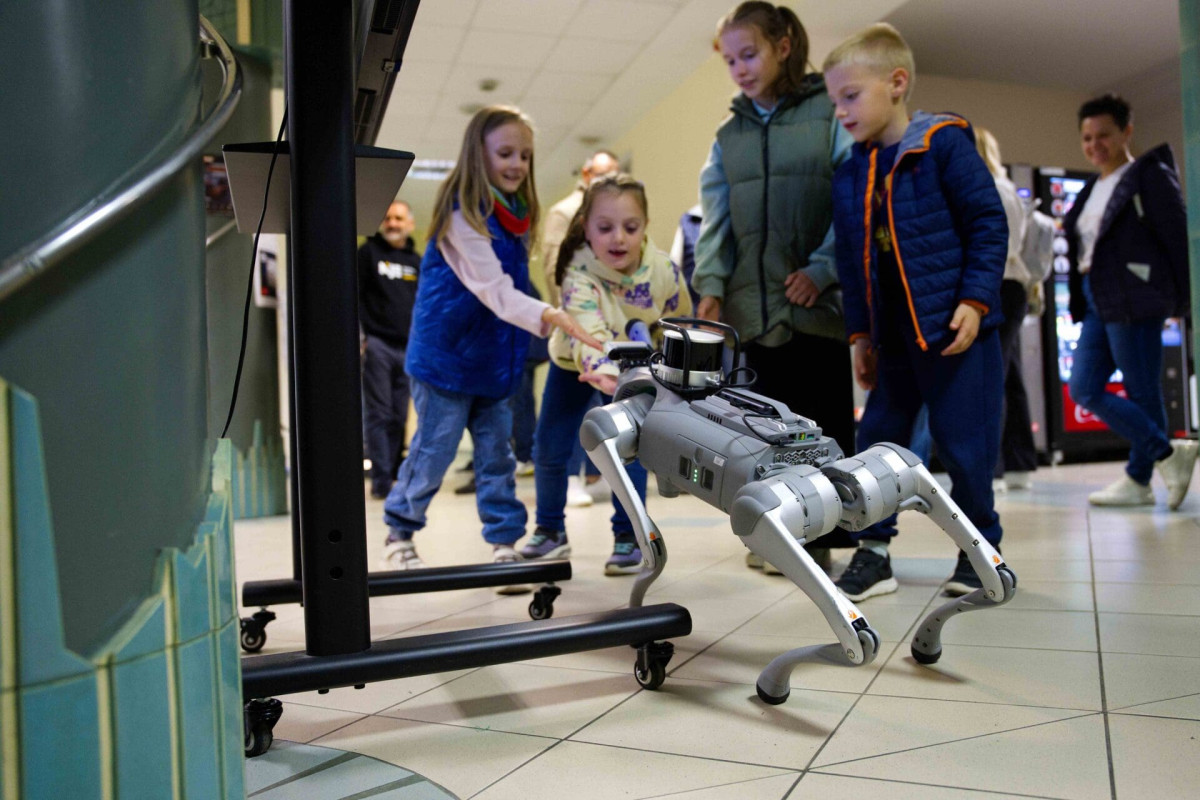
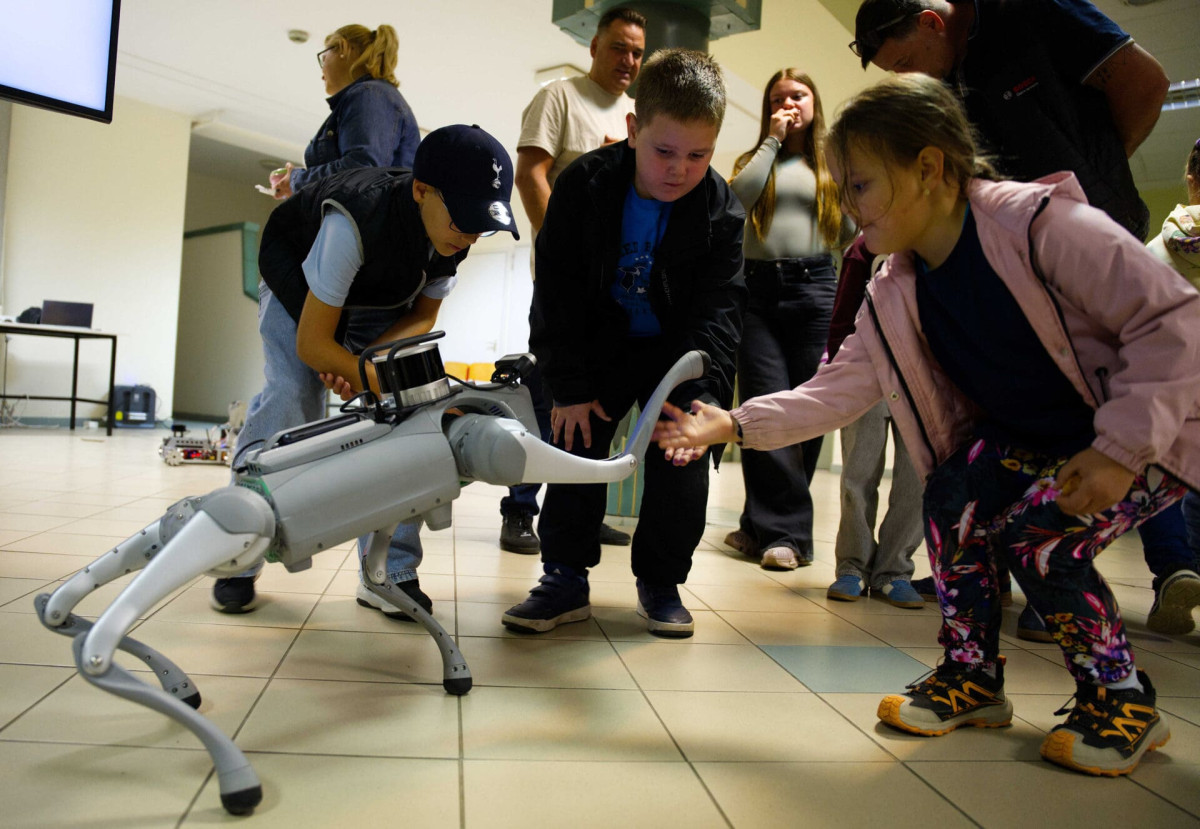
Those interested in robotics were treated to the “World of Robots” program, where, with the help of a robot dog, the Pickerbot Mini, the Xavier robot, and other robots, visitors could get a closer look at the practical applications of artificial intelligence, computer vision, and automation.
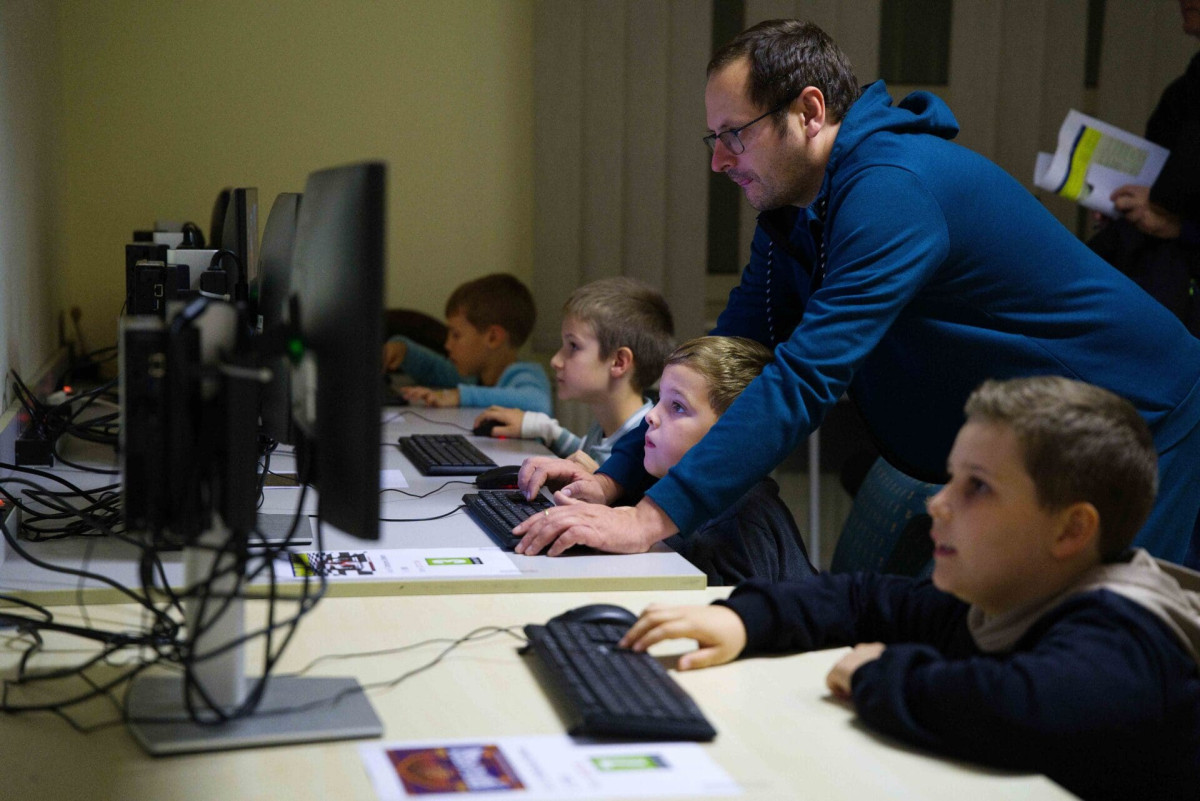
Meanwhile, on Game Island, visitors could take a trip back to the early days of computer games. In addition to classic PC games, a custom-developed VR game demonstrated how the gaming experience has changed and evolved over the past decades.
Minus 200 degrees and levitating trains
Unique phenomena in physics were also brought to life in spectacular ways. Visitors were able to explore a model of a levitating miniature train powered by a magnetic field, which even demonstrated how a railroad switch operates.
Those interested also gained insight into the world of liquid nitrogen and superconductivity. During the demonstration, they saw liquid nitrogen at nearly minus 200 degrees Celsius and observed how a magnet made of a superconductor works. The program also demonstrated how superconductivity can be used to limit short-circuit current, which may offer a solution to one of the key technical challenges facing future electric power systems.
Science that provides answers to everyday problems
The programs of Researchers’ Night also highlighted that research and innovation are present in many areas that affect our daily lives.
In the Demand-Driven Innovation program, participants were introduced to the Biodesign method developed at Stanford University, which can be applied not only to healthcare innovations but also to other fields.
In the program focused on supply chain planning and optimization, participants used the cloud-based Log-hub application to explore questions such as the optimal location of a warehouse or factory, route optimization, forecasting, and inventory management.
A demonstration of the wavelet transform introduced participants to the world of signals and signal processing. The program illustrated how various mathematical and engineering methods can help interpret the information contained in signals and highlight important relationships.
When Plastic Becomes More Colorful Than We Might Think
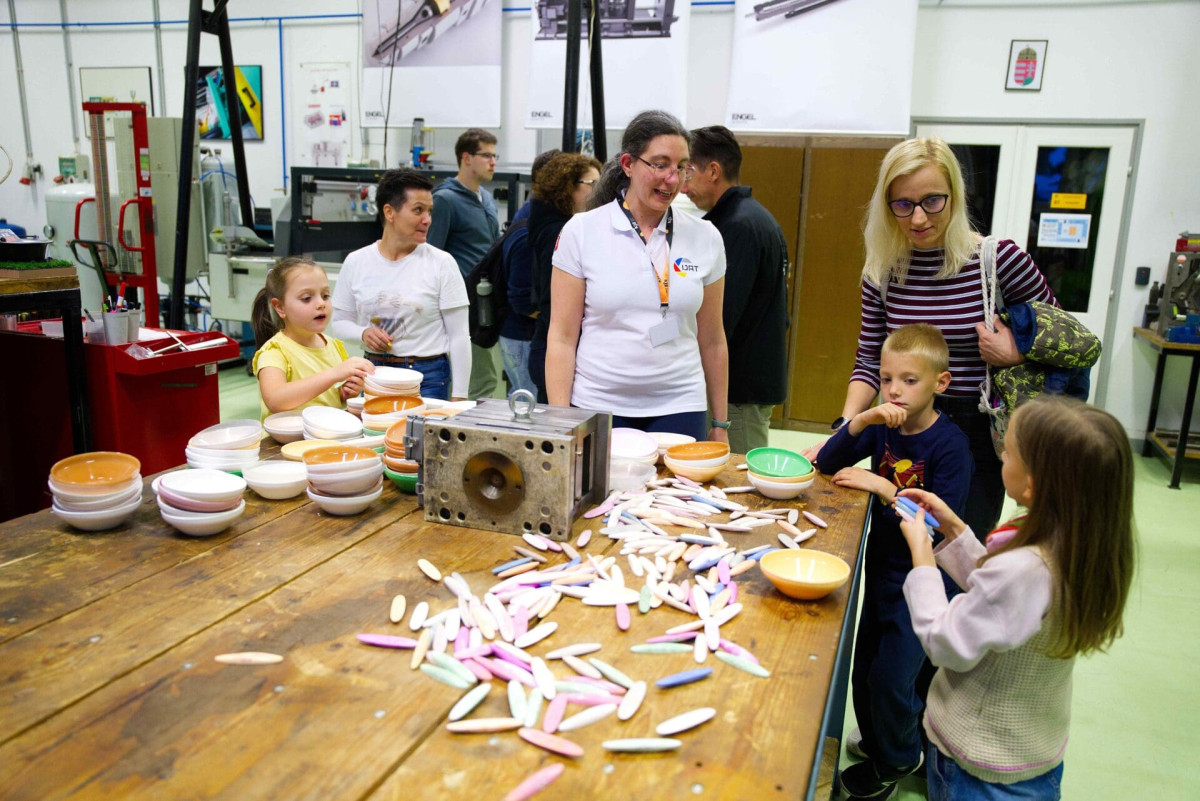
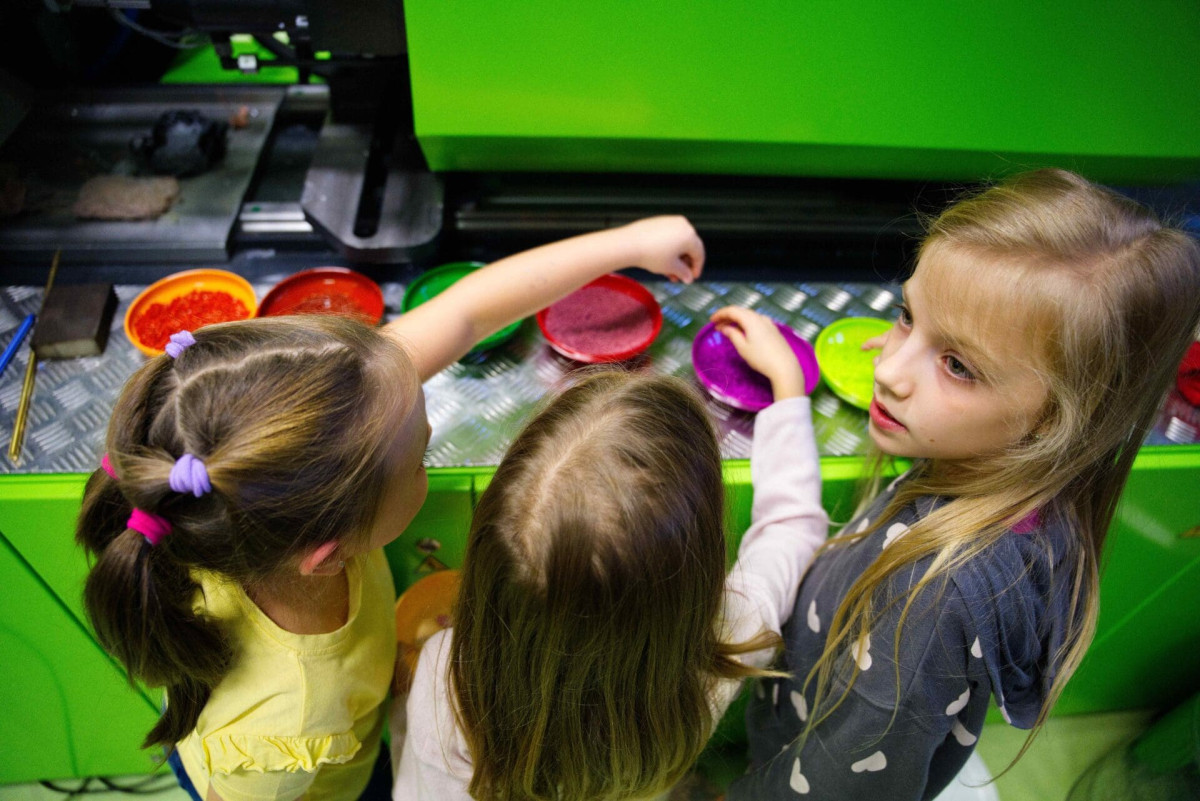
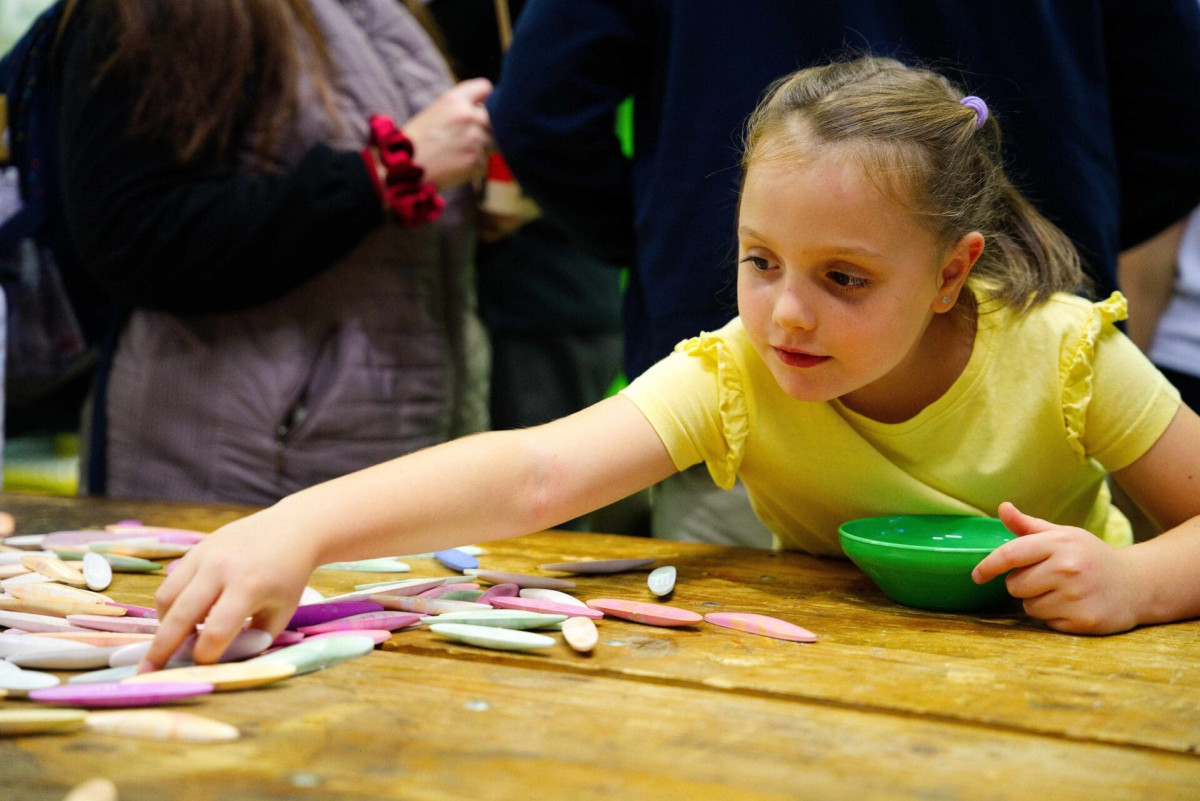
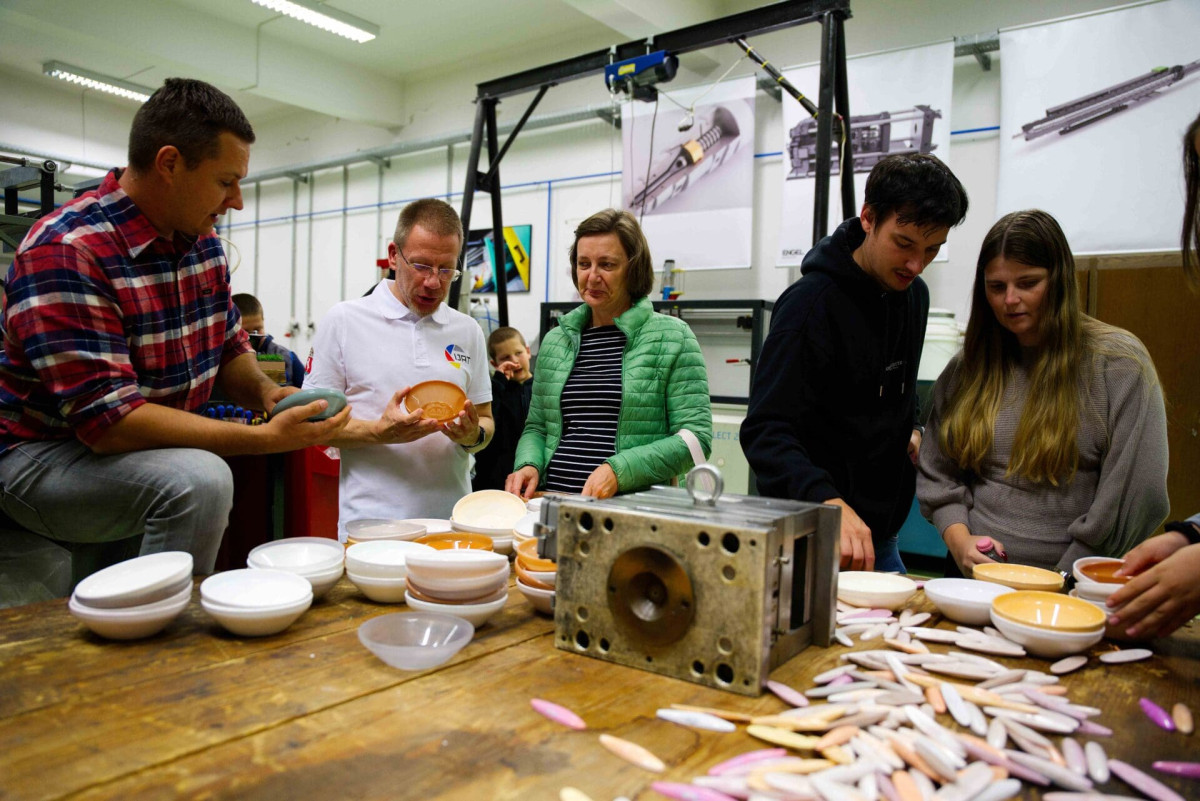
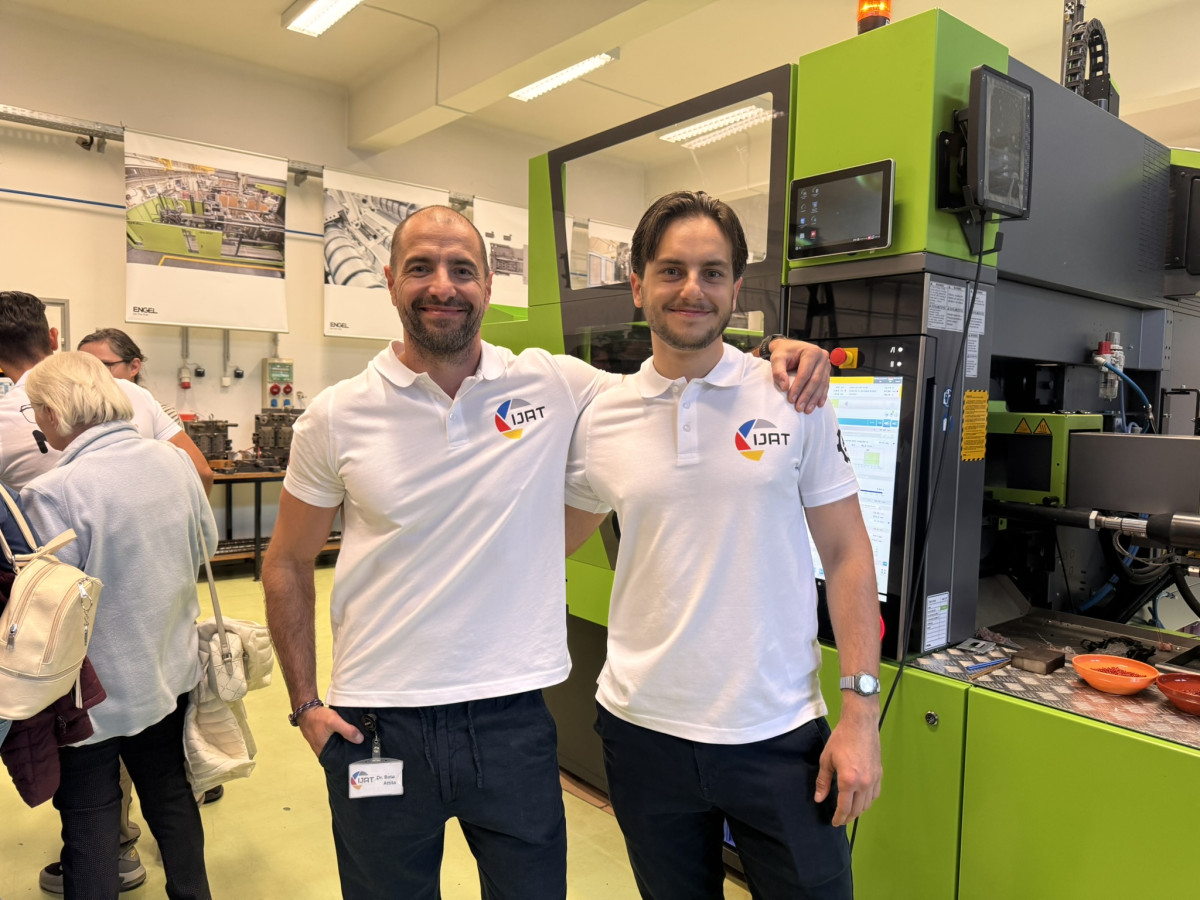
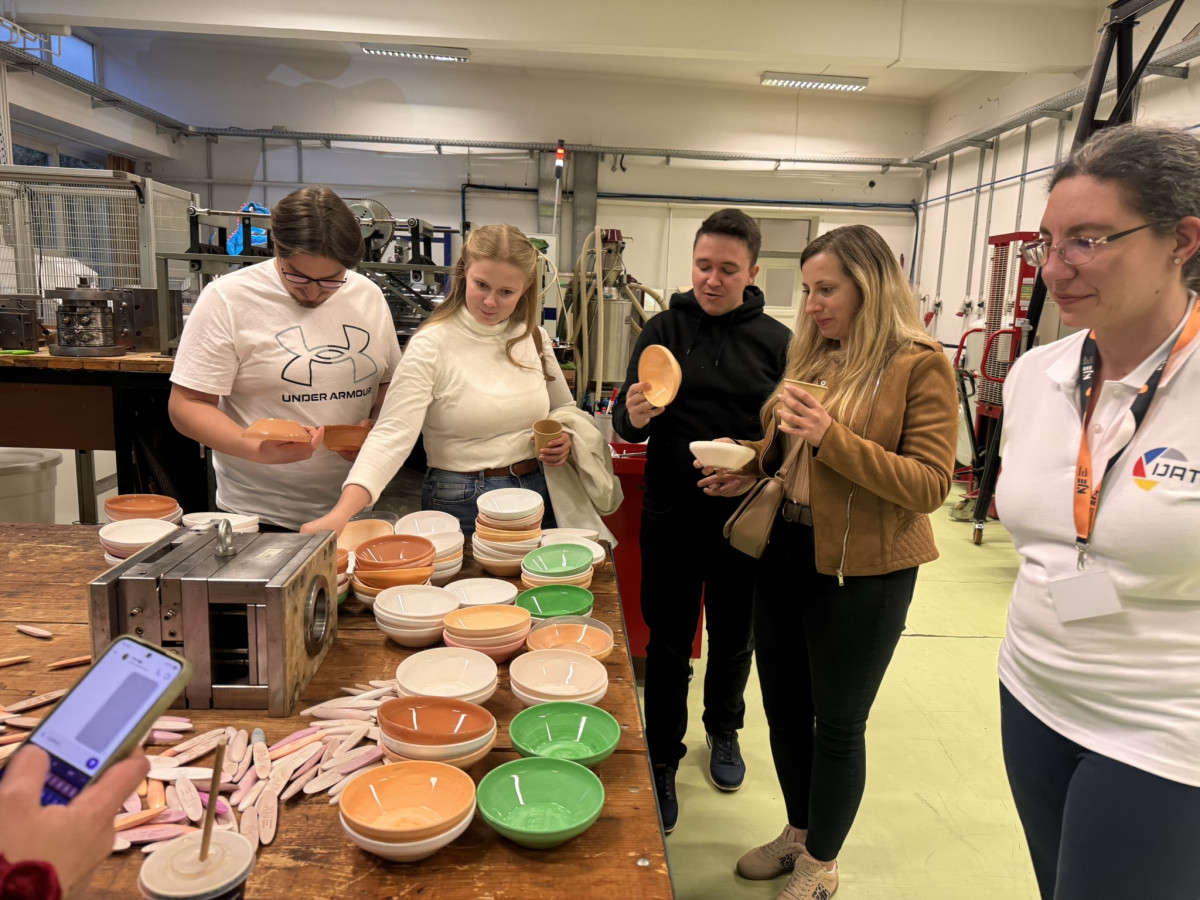
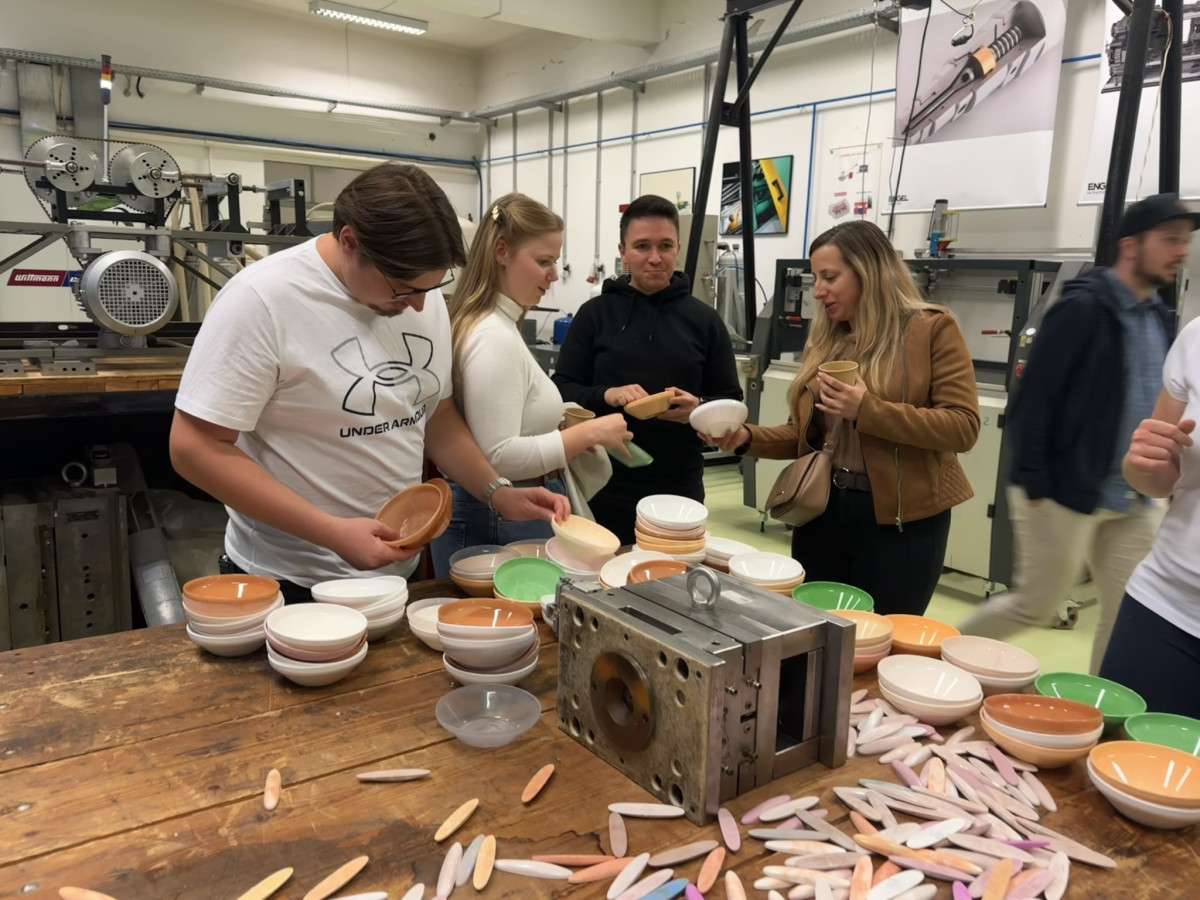
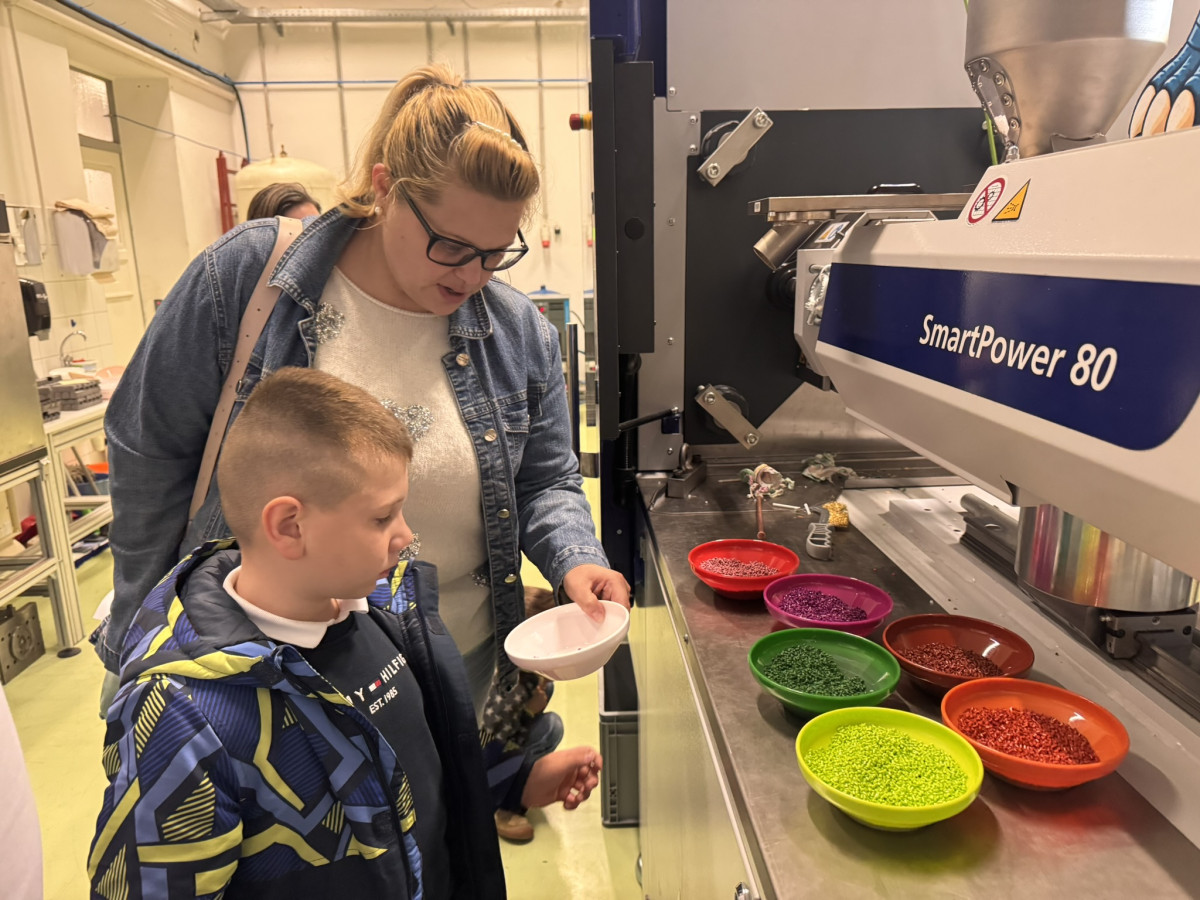
The Plastic Processing Research Group’s program brought together engineering science and spectacular experimentation. Visitors also learned how unique patterns—such as tiger stripes, marble effects, or even unpredictable designs—form during the injection molding process.
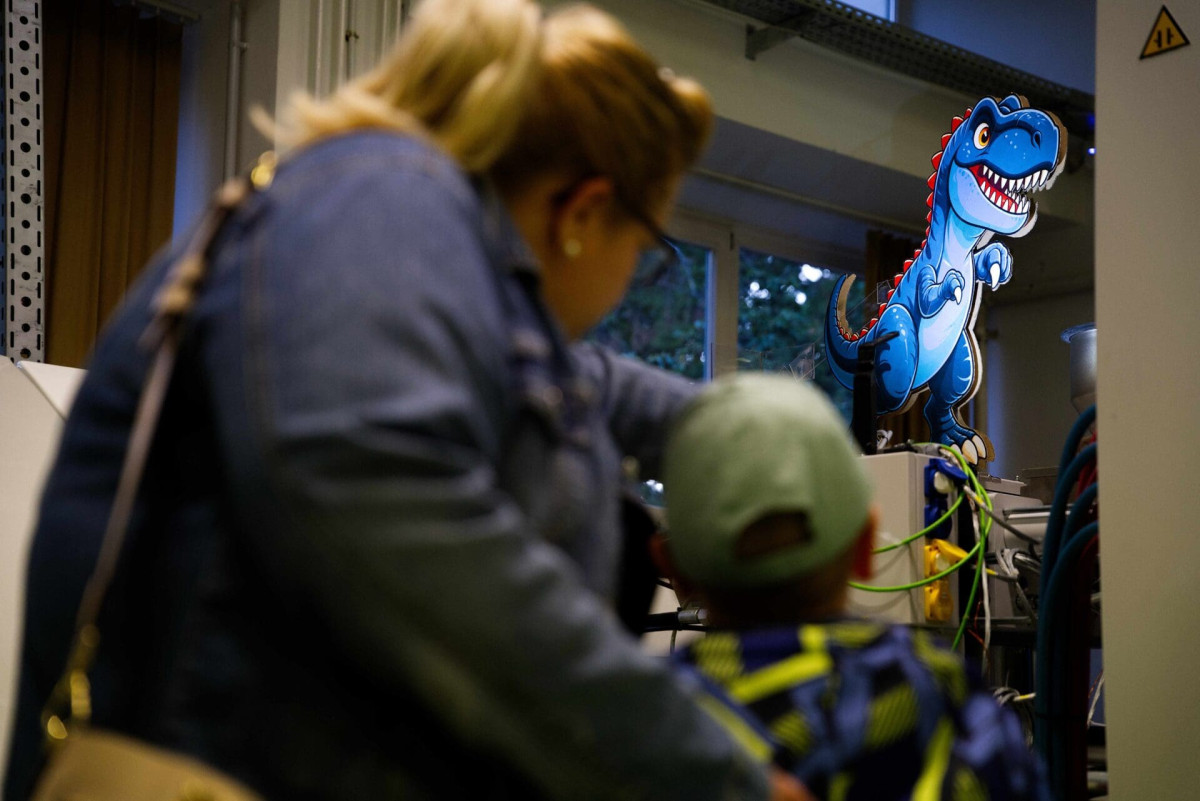
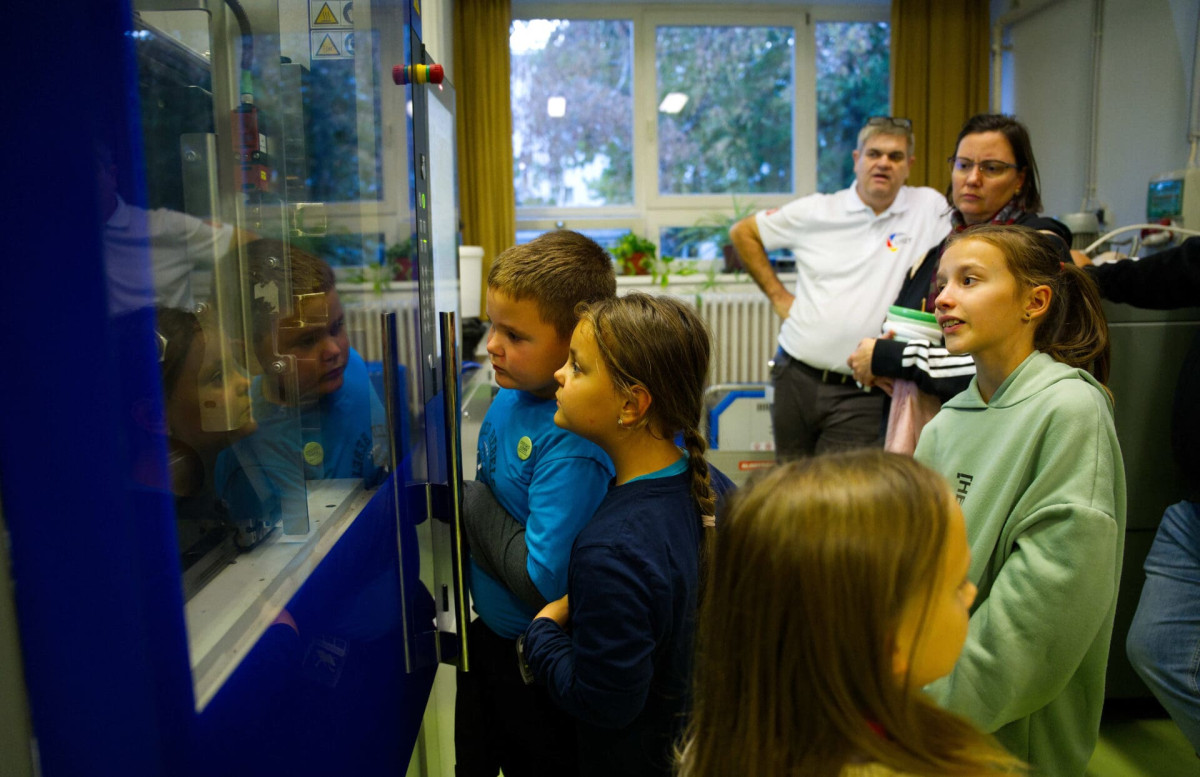
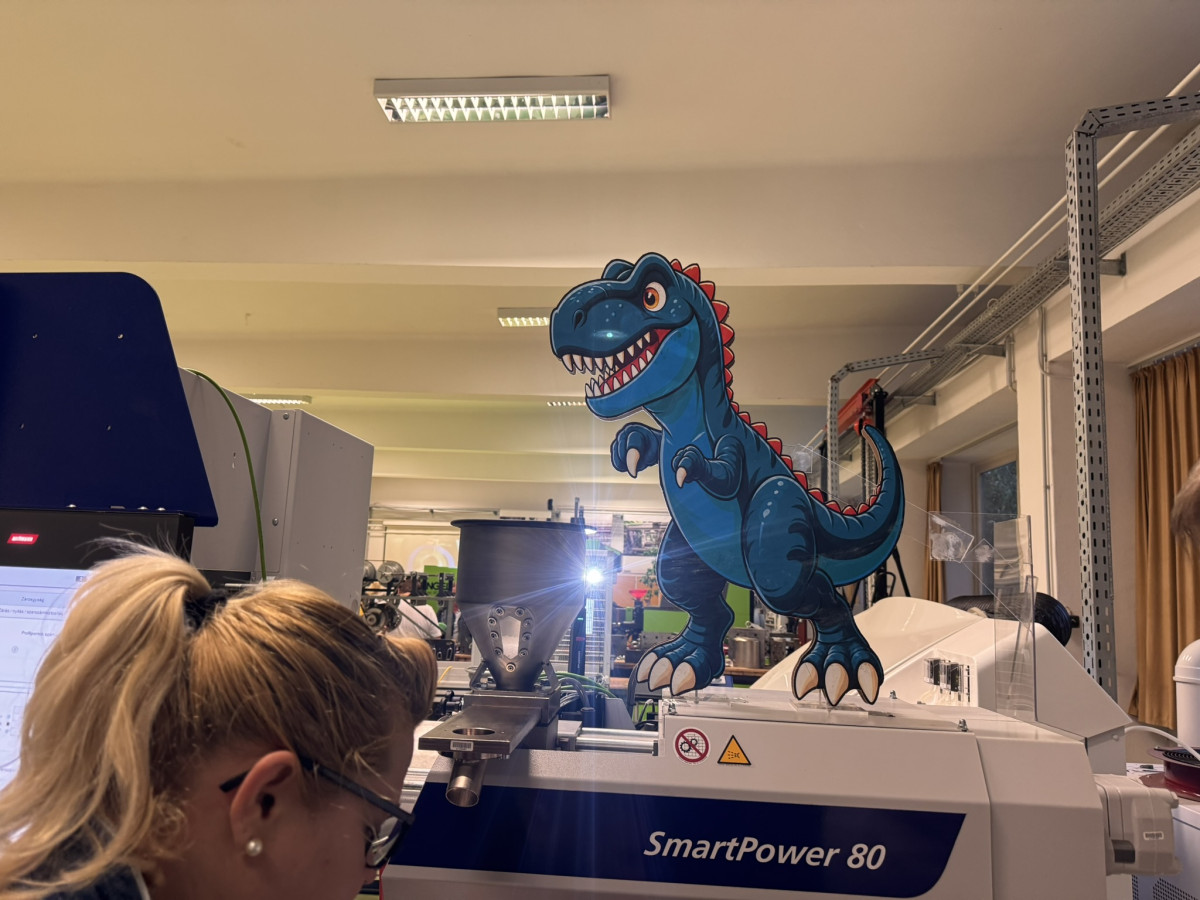
The patterns formed by different-colored plastics during laminar flow made each piece unique, while on another injection molding machine, participants could watch the birth of a “dinosaur,” with the machine’s sounds further enhancing the prehistoric atmosphere.
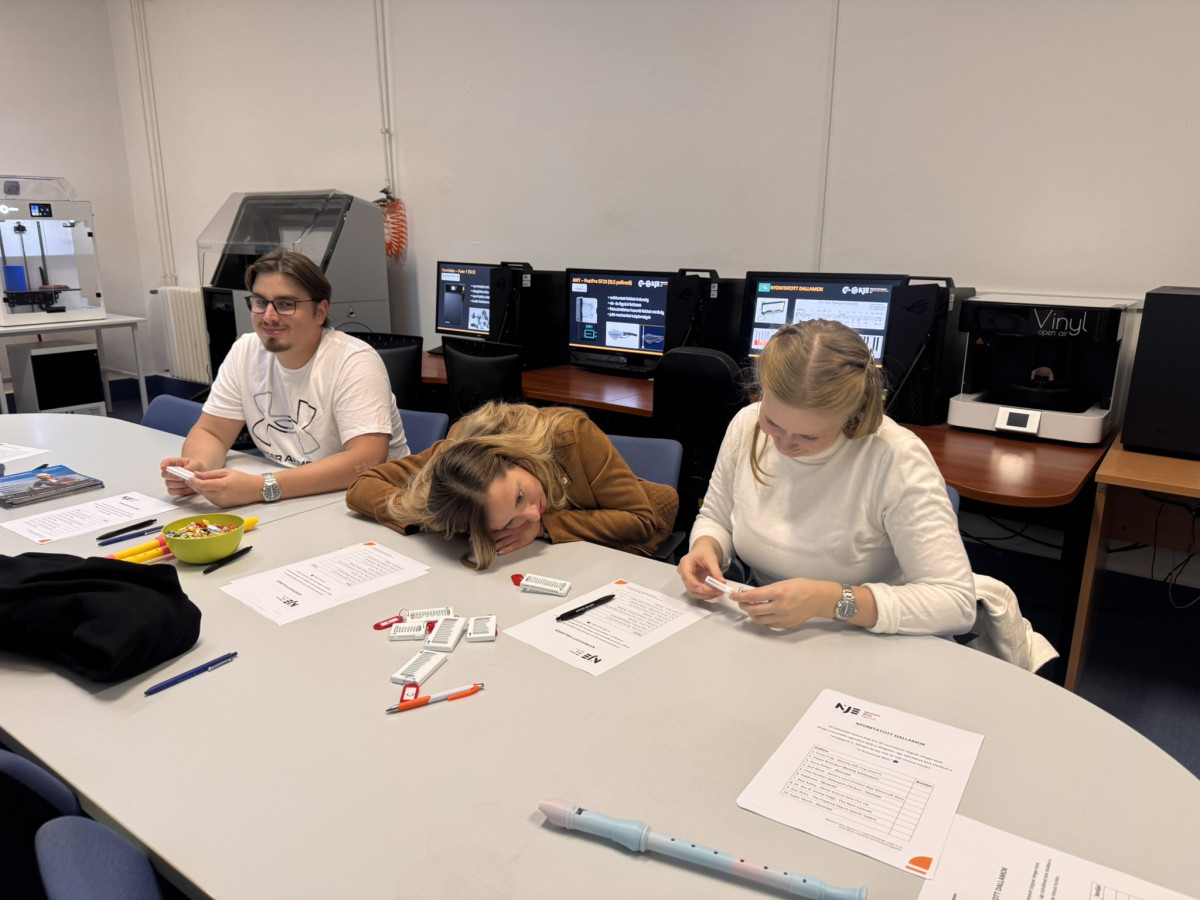
At the “Printed Melodies” program, visitors witnessed the convergence of technology and music. The three-dimensional structures created using 3D printing established a unique connection between forms and sounds.
Lasers, BBQ, and Engineering
One of the truly unique events at Researchers’ Night was the “This Laser Is Awesome!” demonstration, where BBQ, materials science, and laser technology came together.
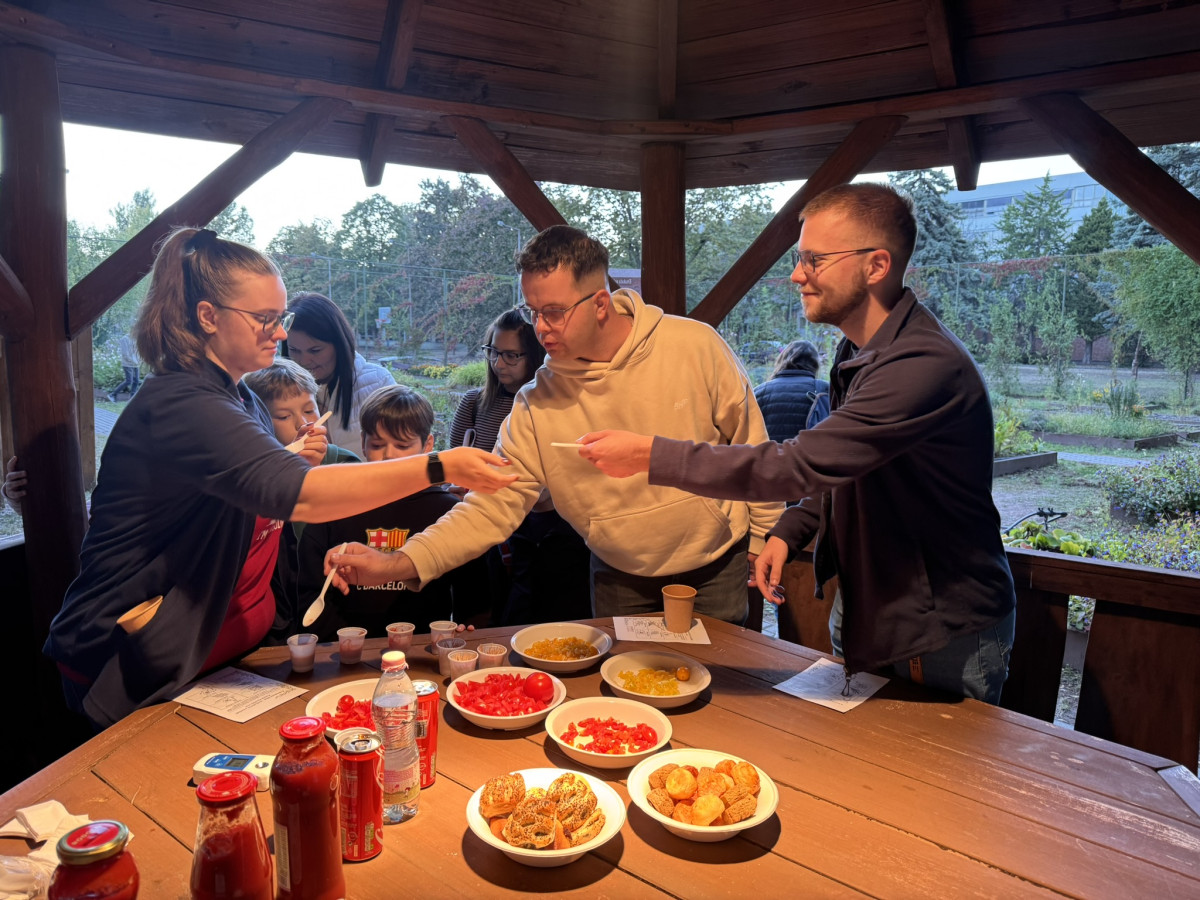
More than 10 kilograms of pork ribs were cooked, while participants learned about the heat transfer and fluid dynamics processes behind the grilling. Following the tasting, the focus shifted to laser technology: visitors learned how industrial laser marking and engraving work, and could even have their names engraved on their own pork chop slices.
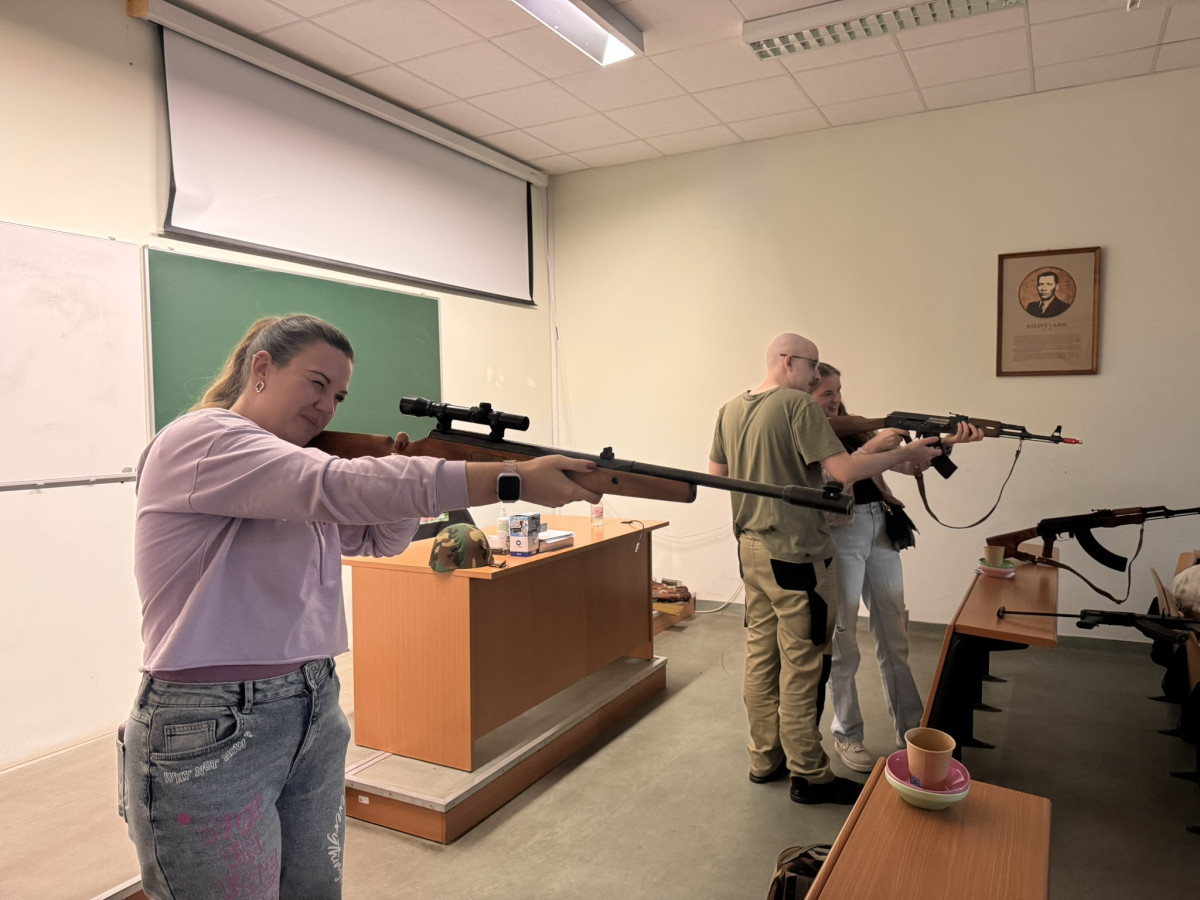
Lasers also played a leading role in another program: during laser target shooting, participants were able to test their accuracy and reaction times using a G17 laser training pistol in a controlled, safe environment.
Behind the Scenes of Motorsports
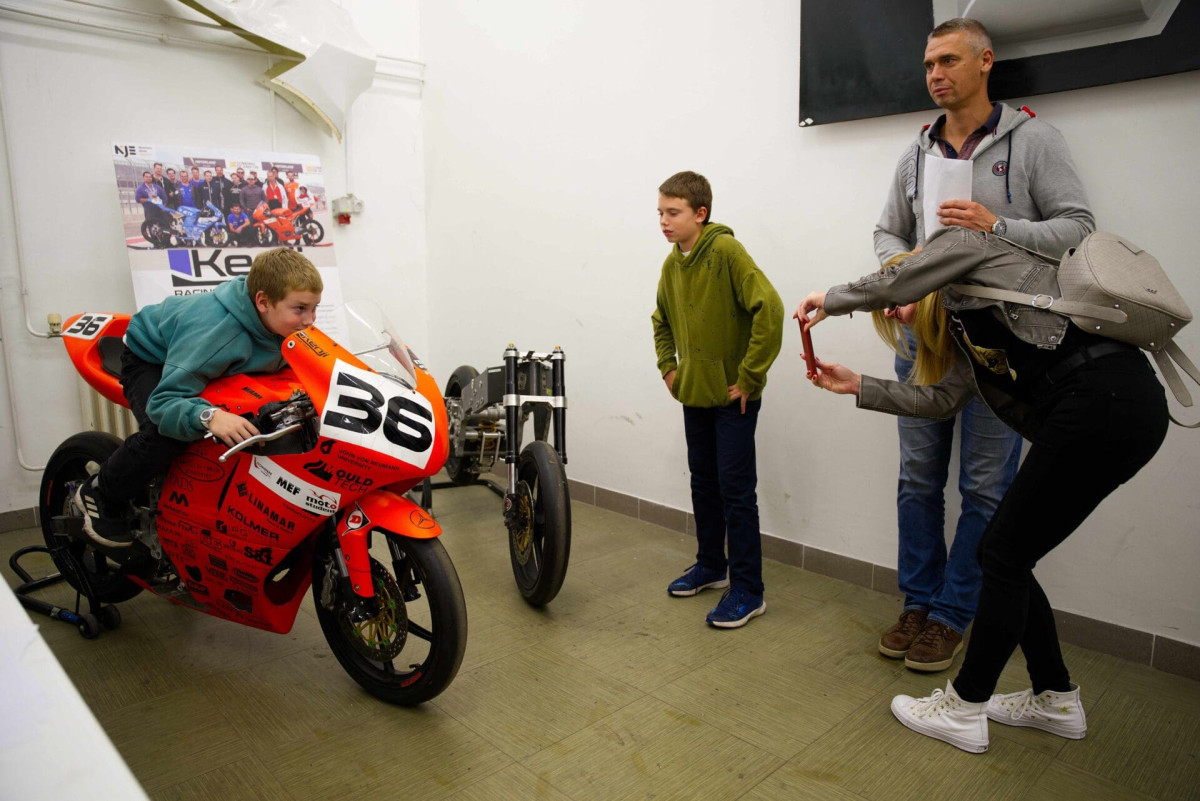
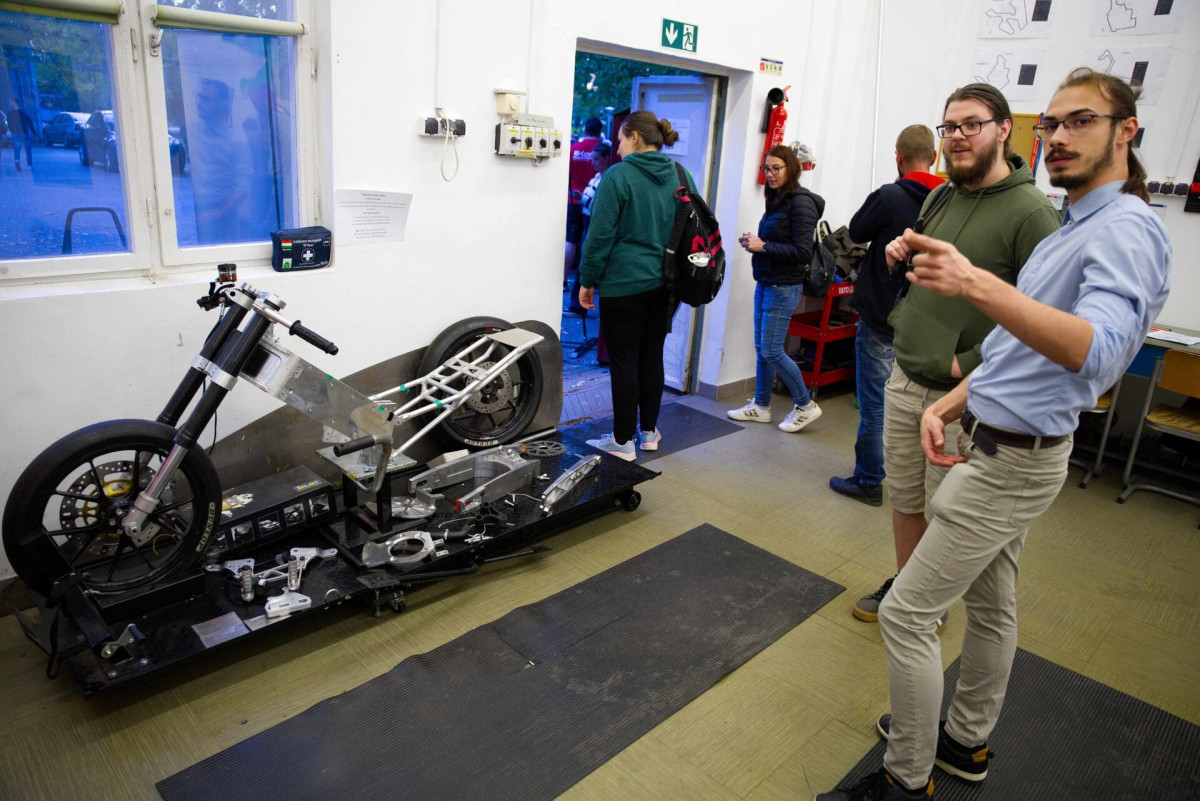
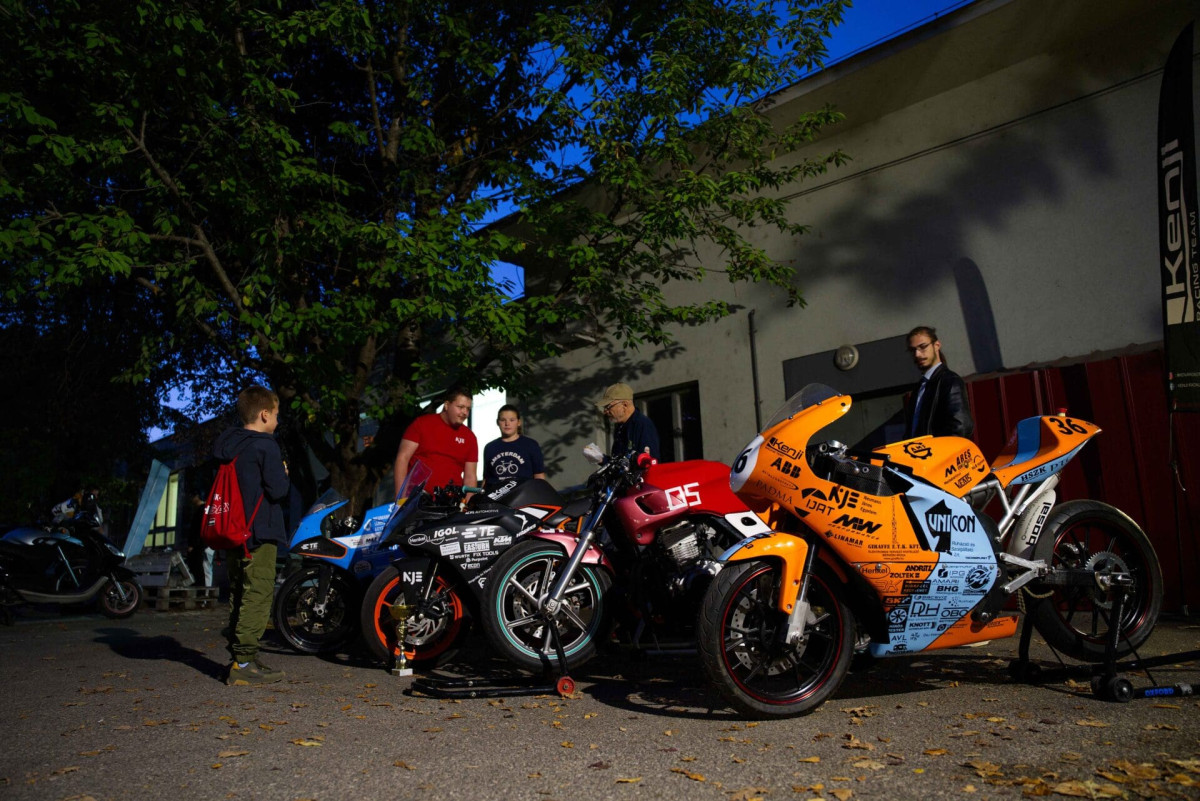
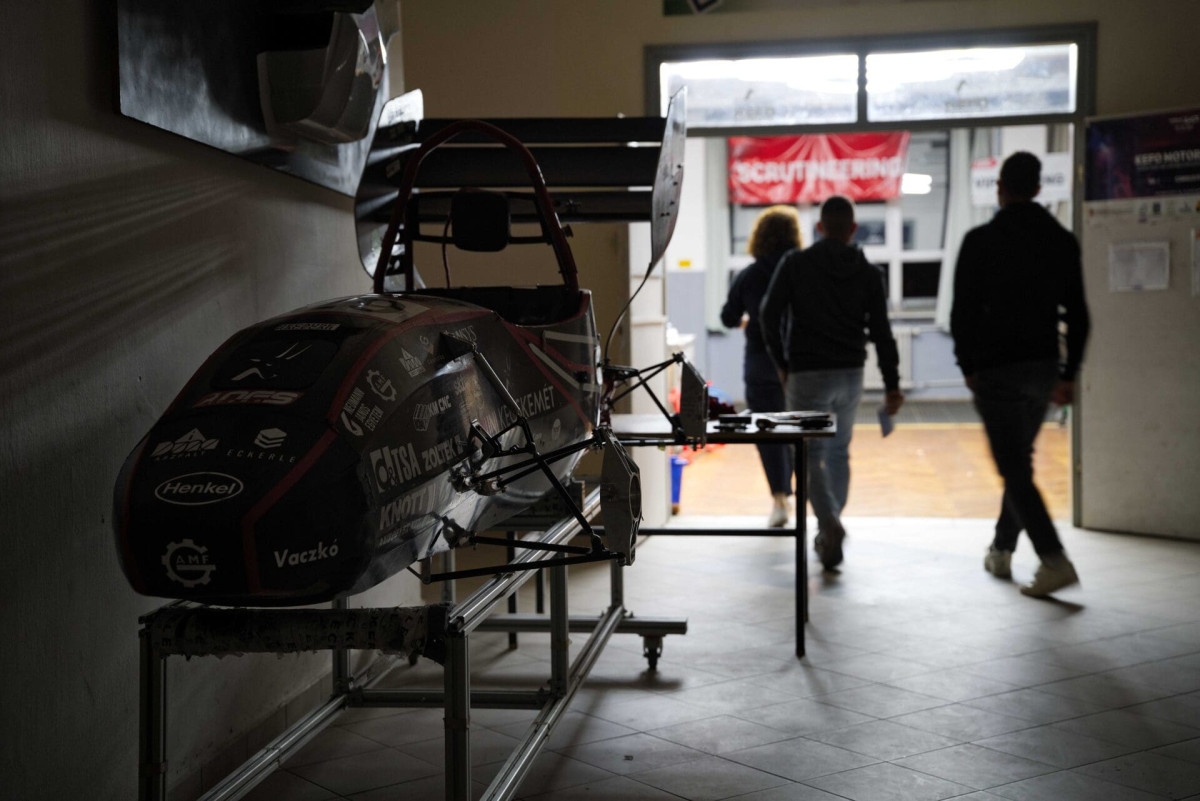
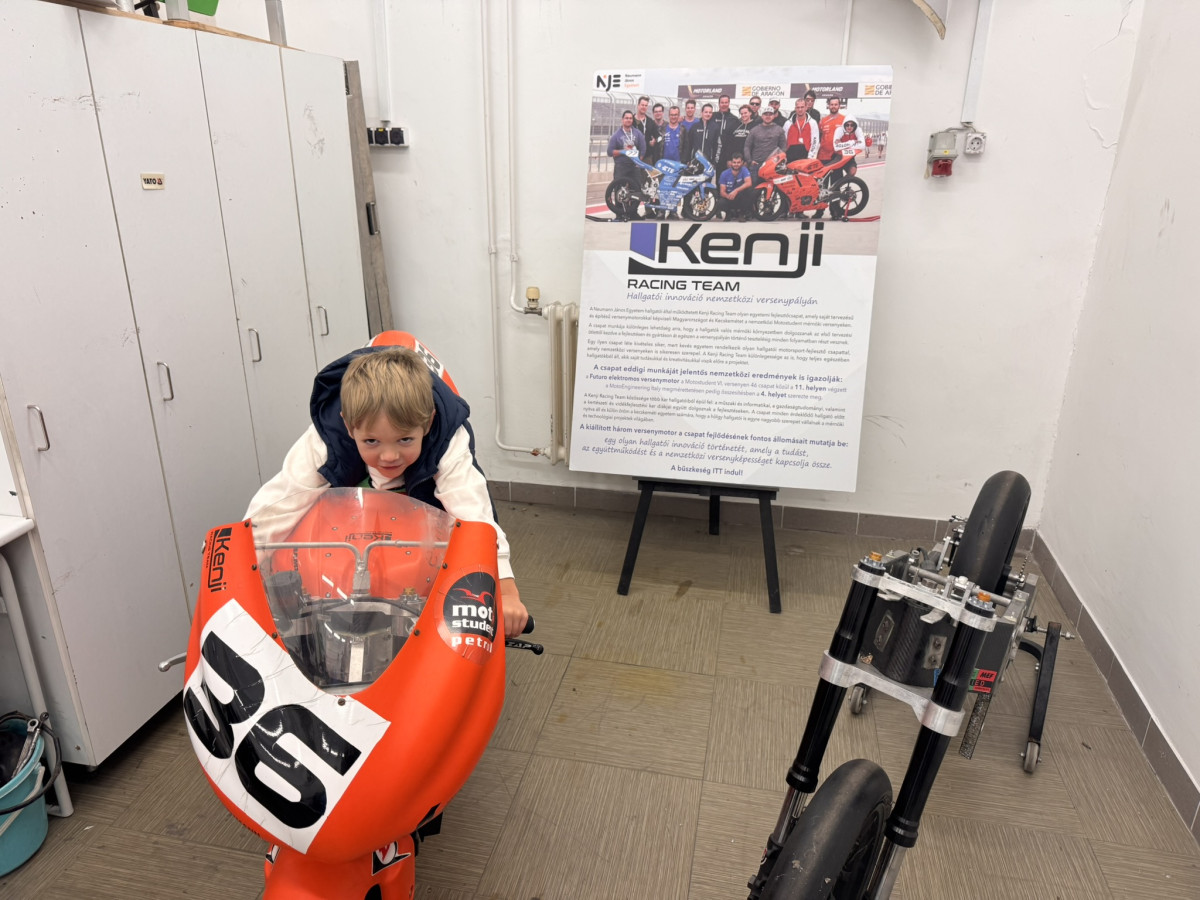
At the Kenji Racing Team’s event, attendees gained insight into the intersection of engineering expertise and motorsports. Through the team’s race bikes, they showcased the design solutions and developments that emerged during their preparations for the MotoStudent competitions over the past few years.
One of the highlights of the presentation was the Phantom race bike, which visitors could not only examine up close but also see in action. The program vividly demonstrated how engineering ideas conceived at the drawing board can be transformed into real, functioning race bikes.
For motorsport enthusiasts, it was a special treat that Dániel Nemes, a student at Neumann János University and a competitor in the Swift Cup Europe, also exhibited his race car. Thus, visitors not only gained insight into the engineering behind motorsports but also got an up-close look at the car our student uses to prove himself on the racetrack.
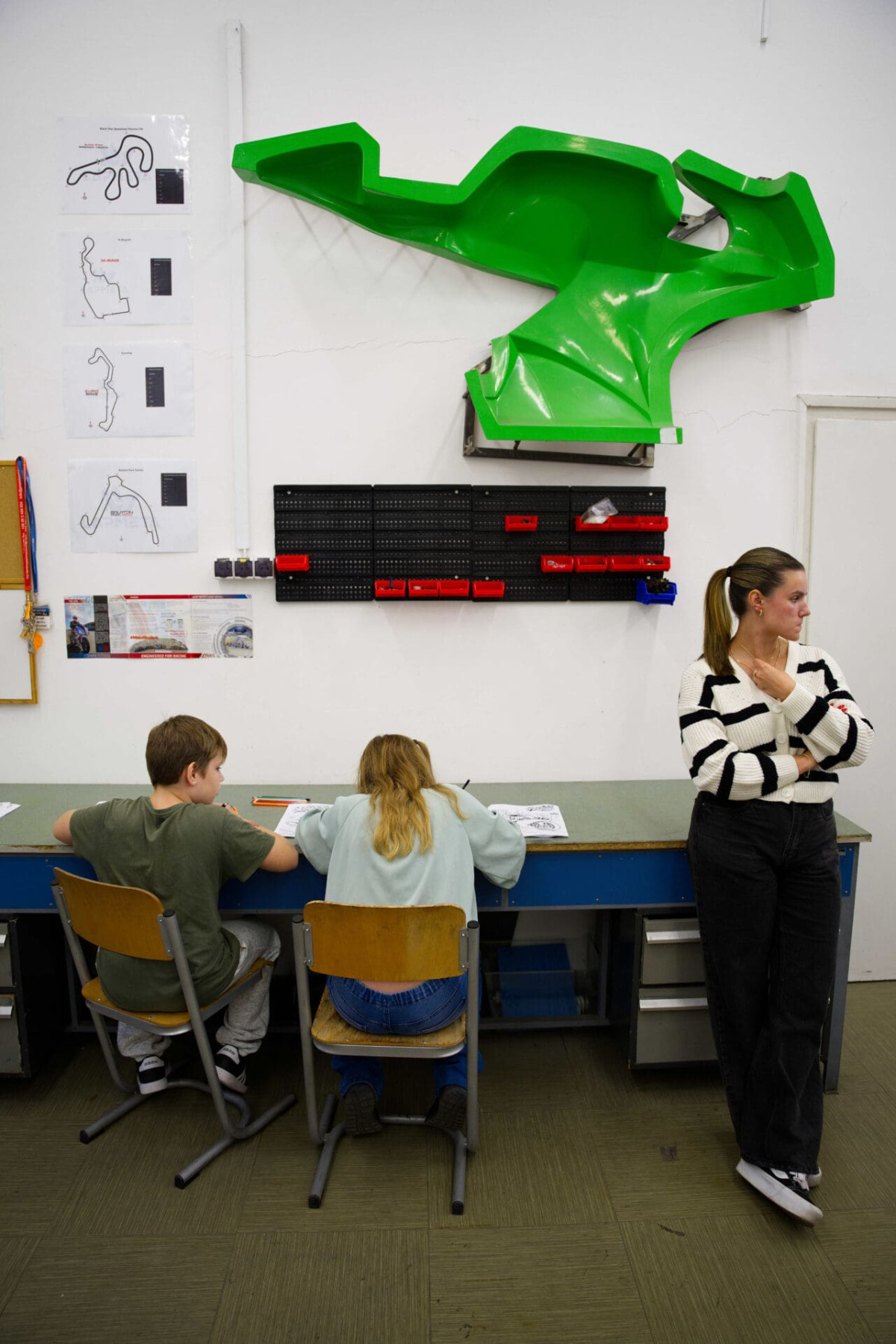
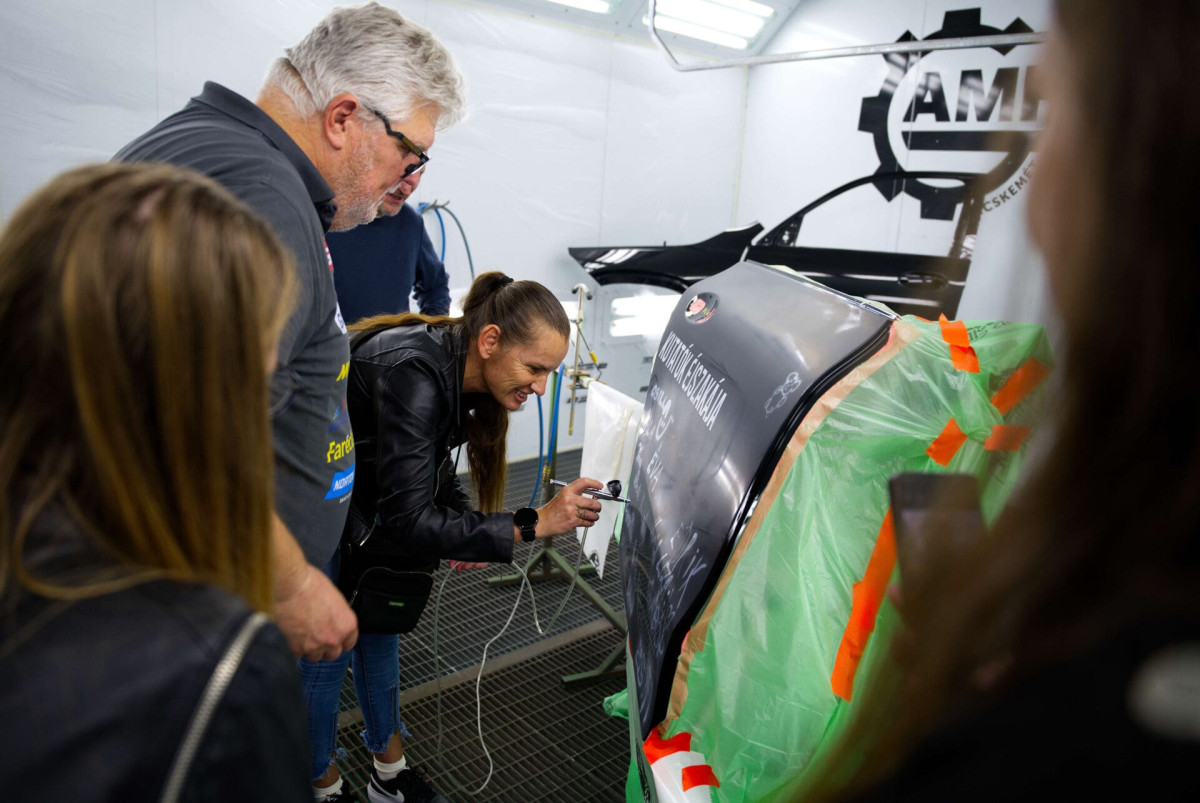
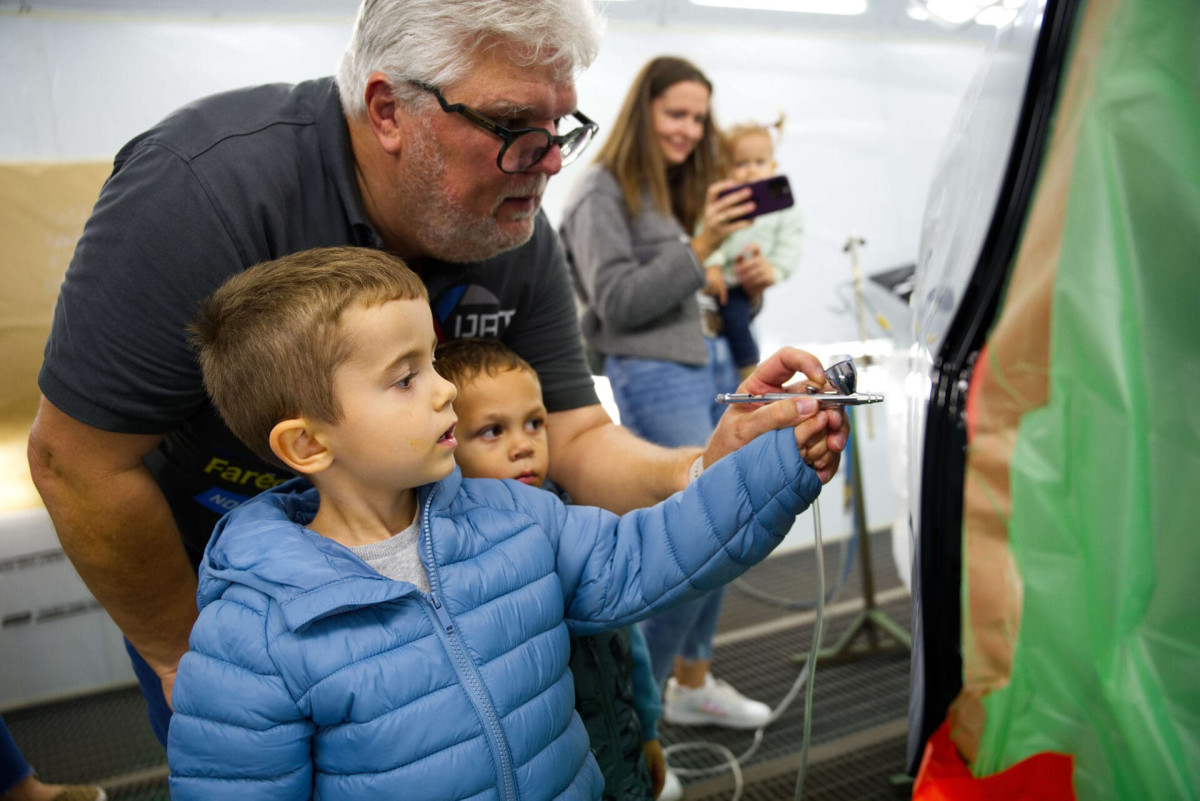
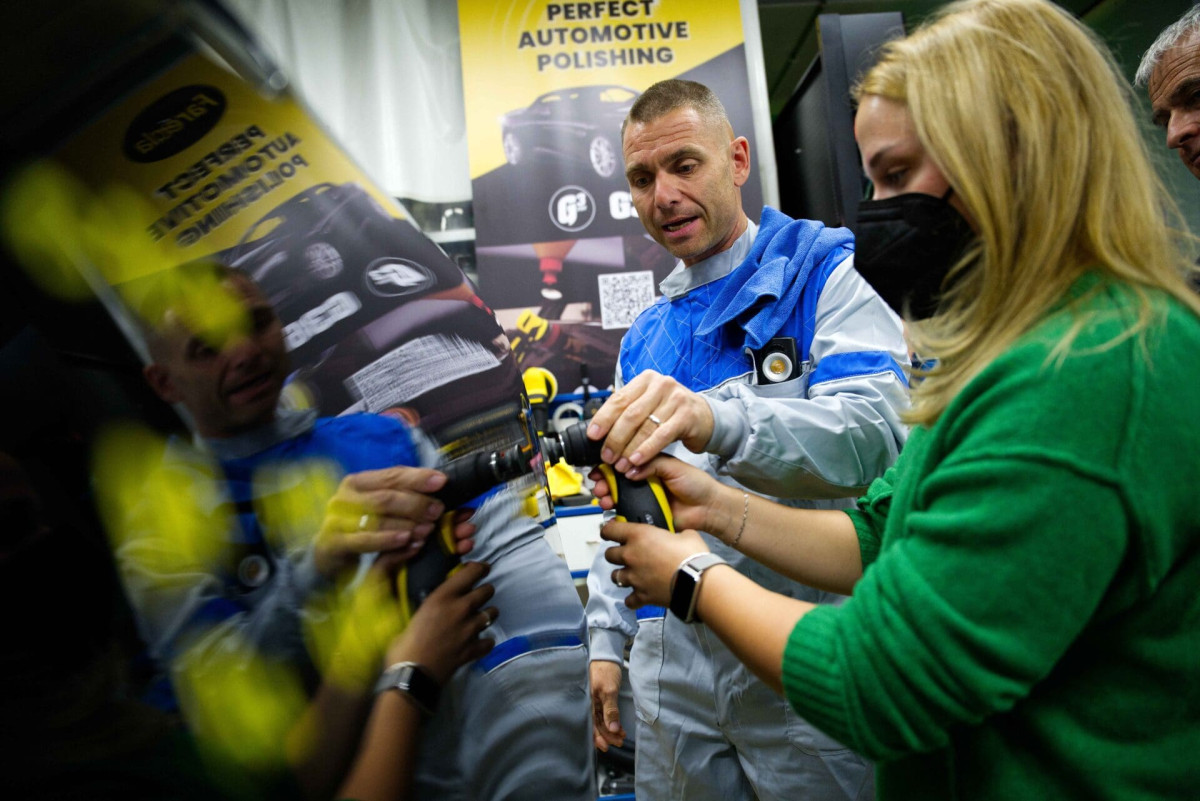
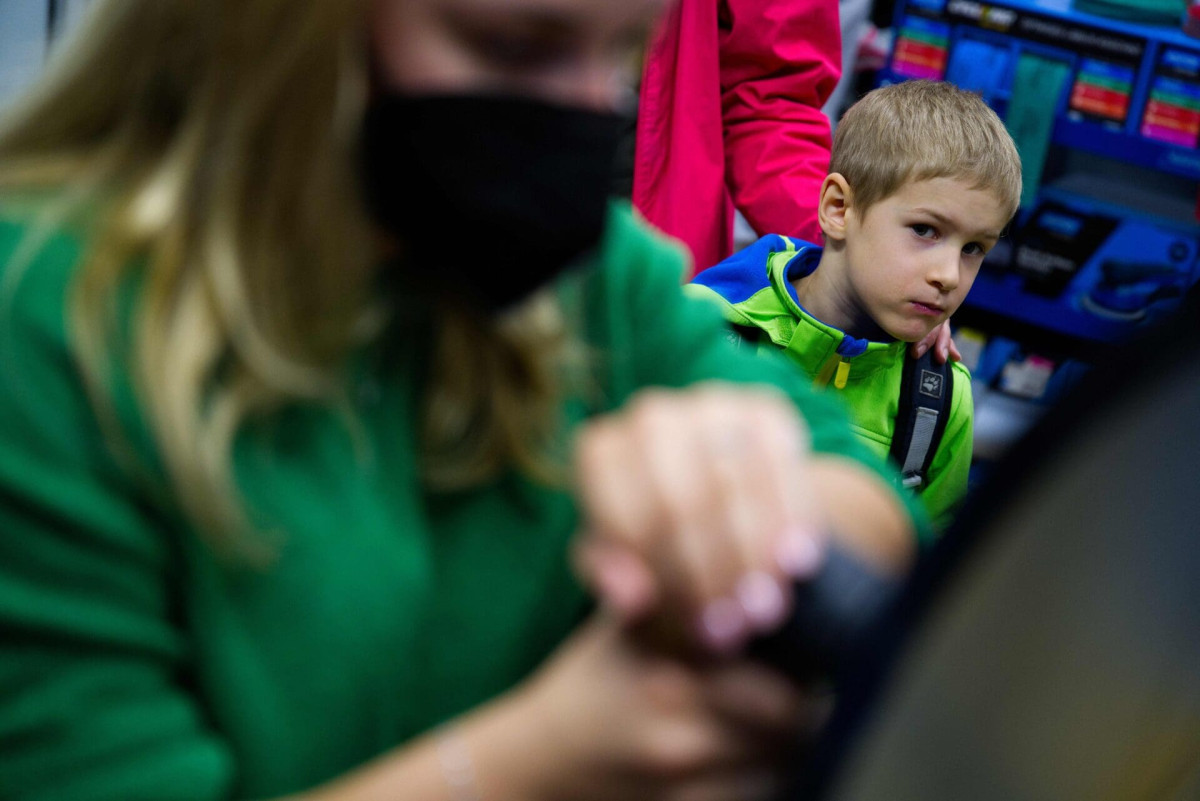
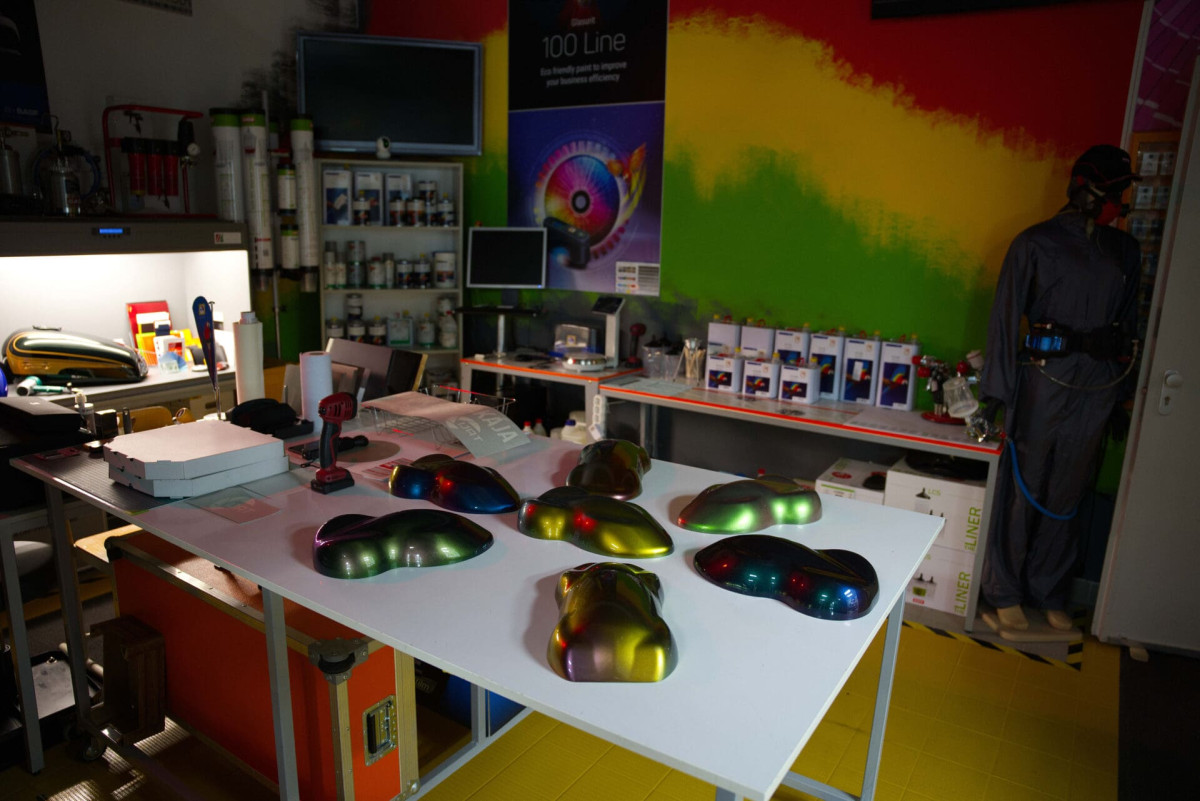
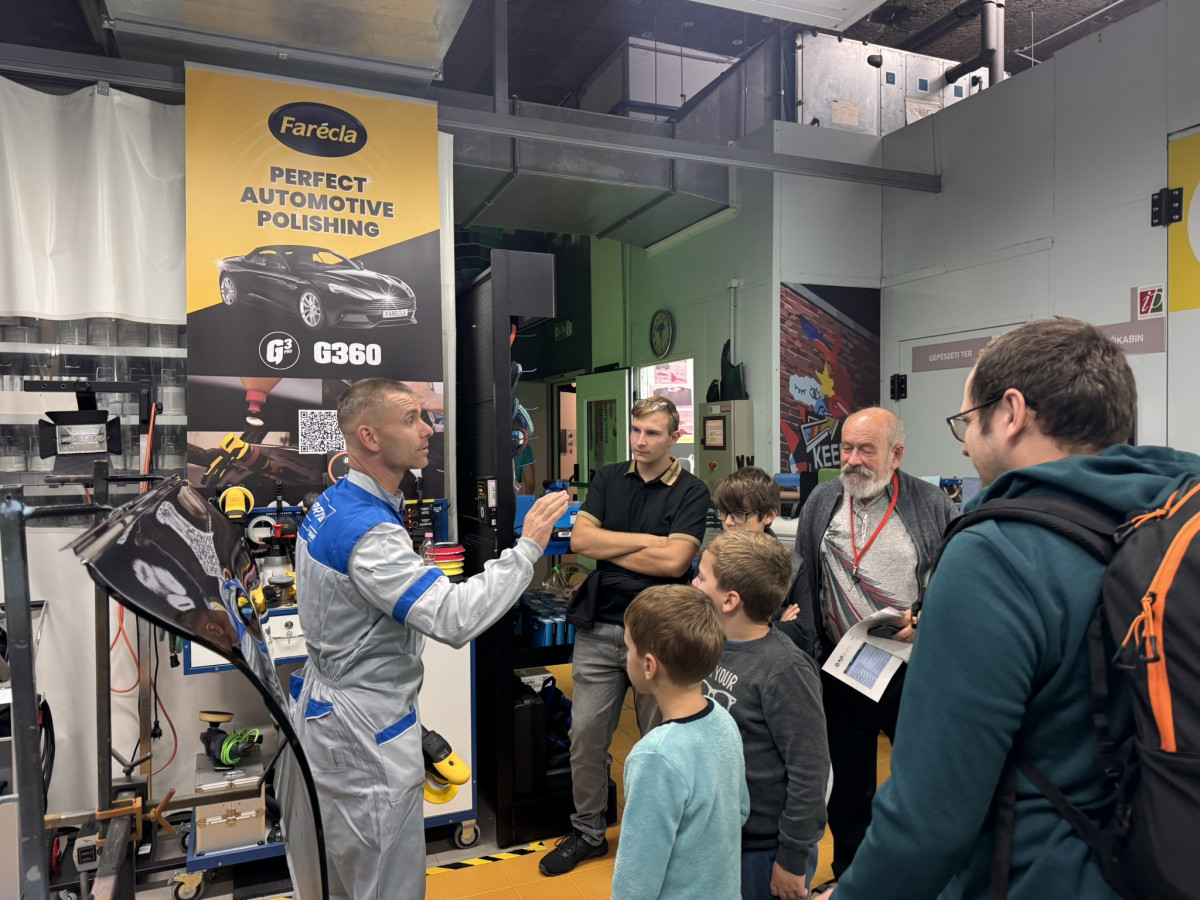
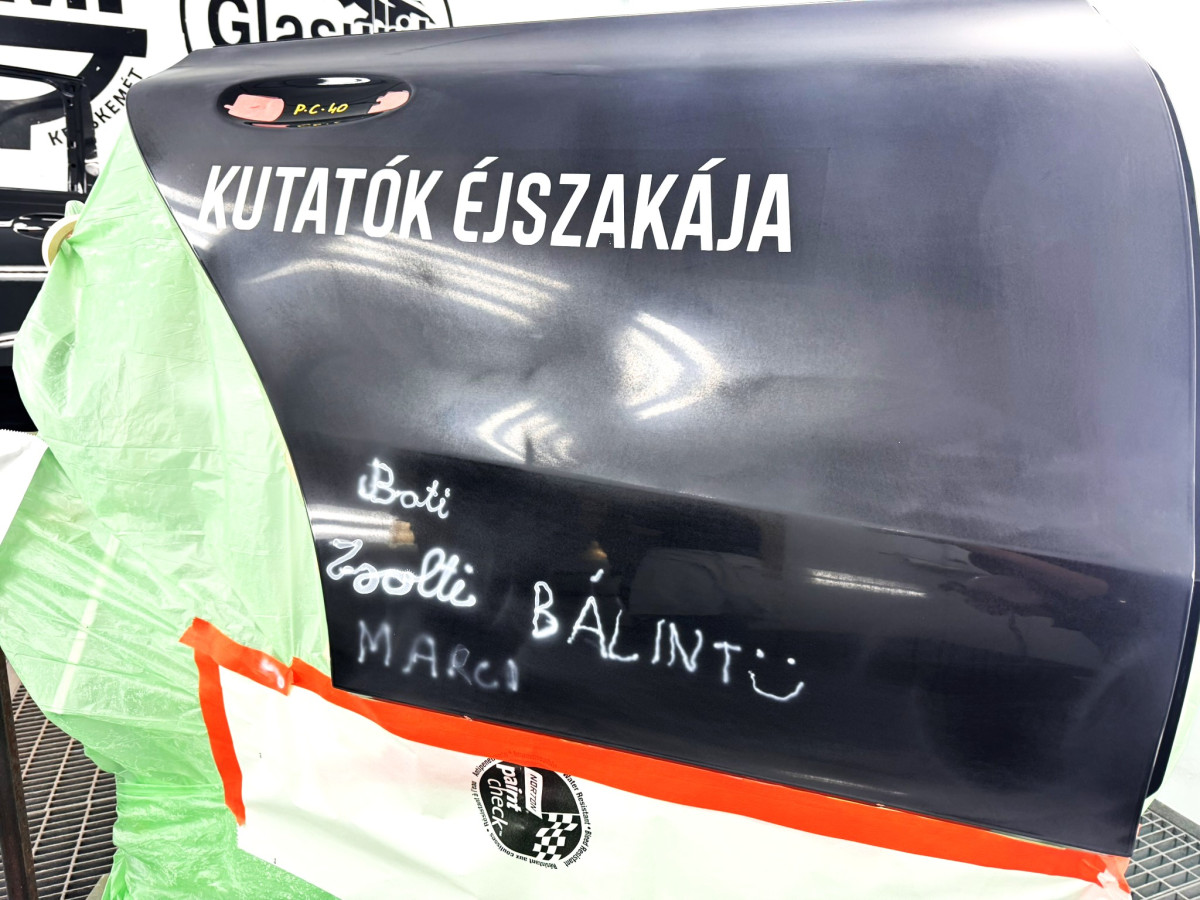
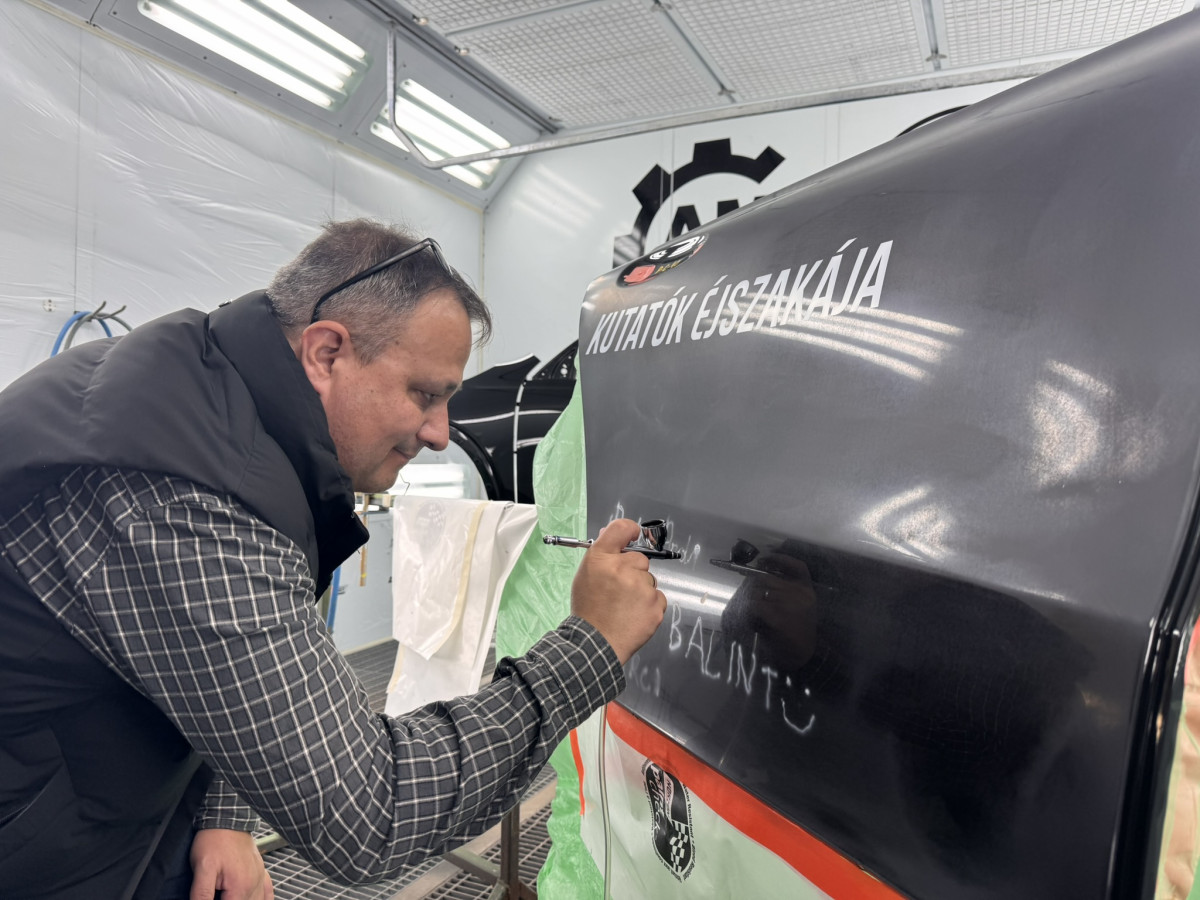
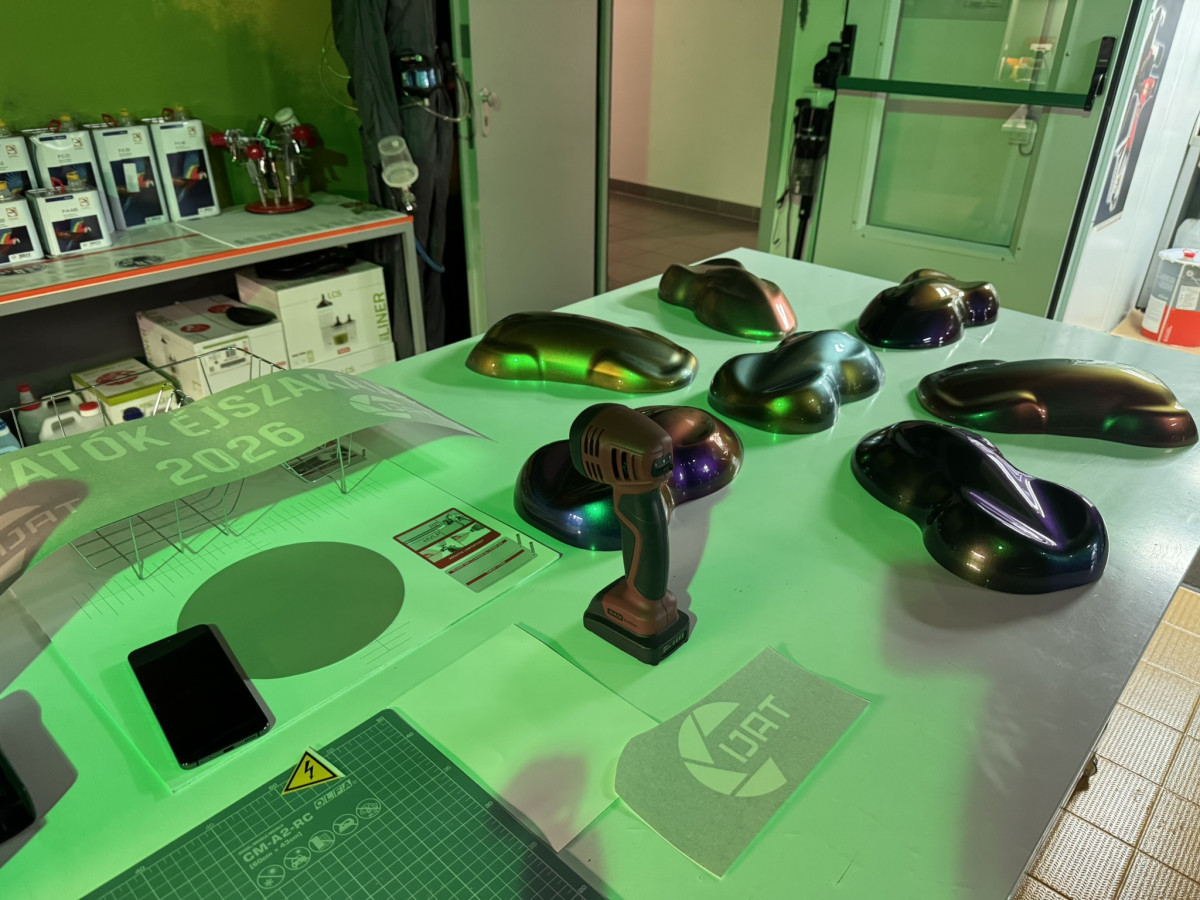
Meanwhile, in the GAMF vehicle painting lab, visitors could get a behind-the-scenes look at modern vehicle painting technologies, and participants also learned how to create a flawless, visually stunning vehicle finish.
The Secrets of Nature and Light
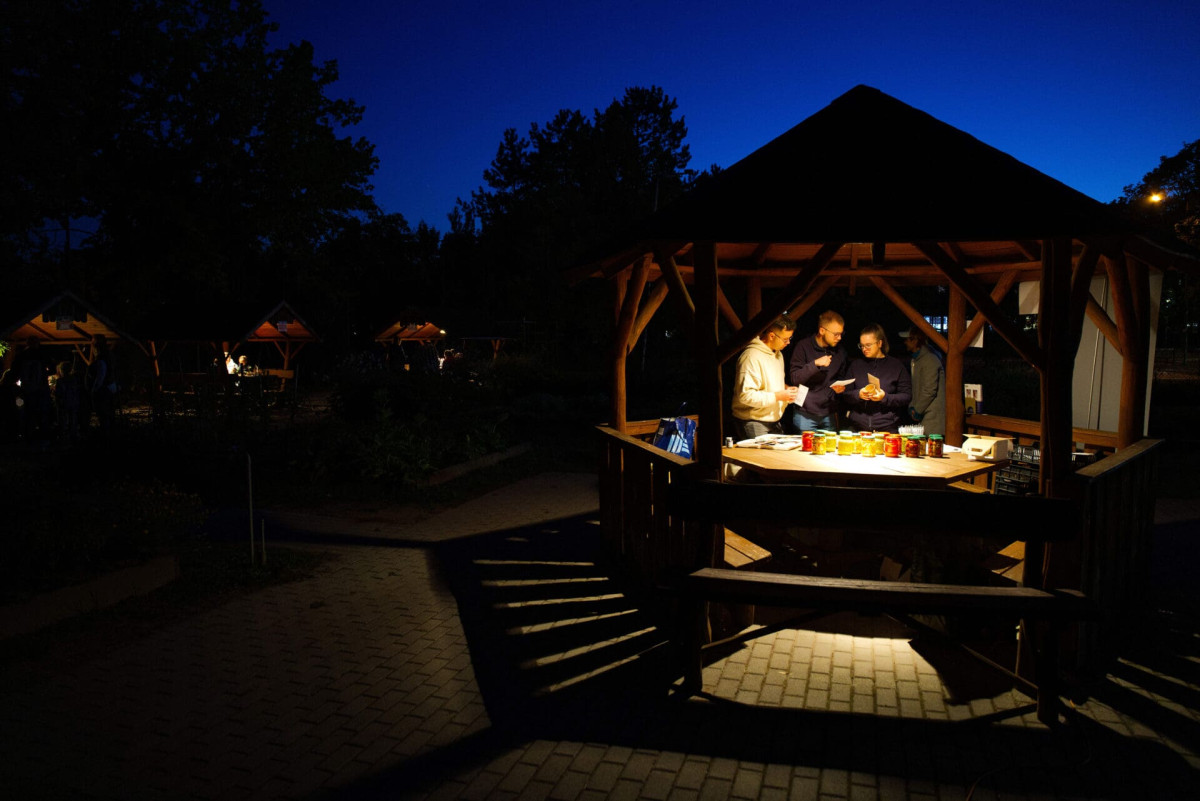
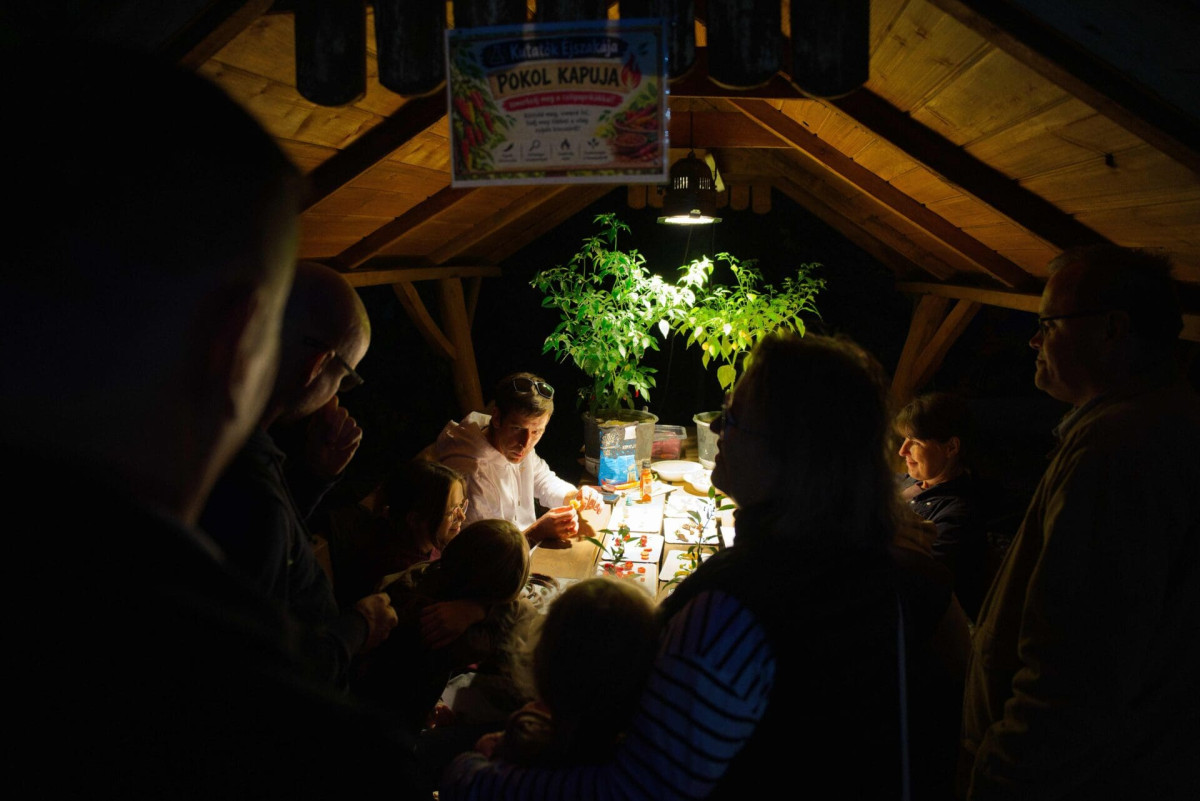
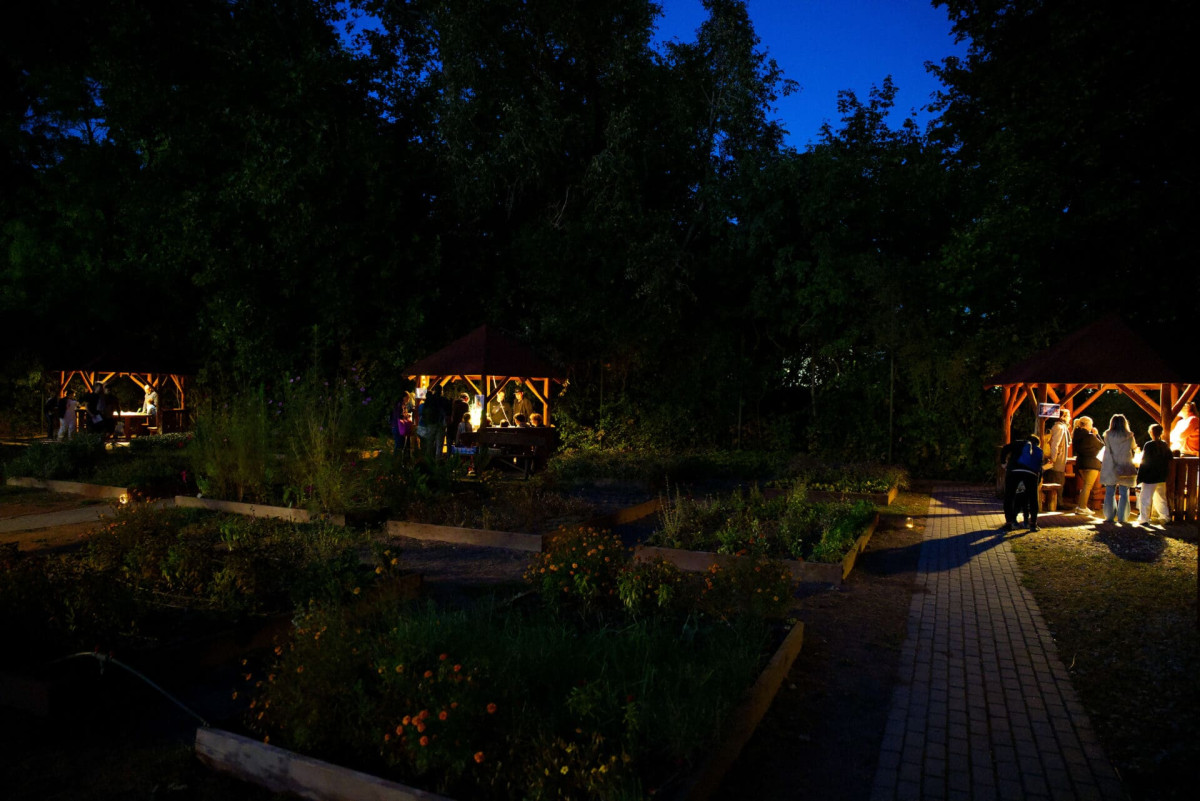
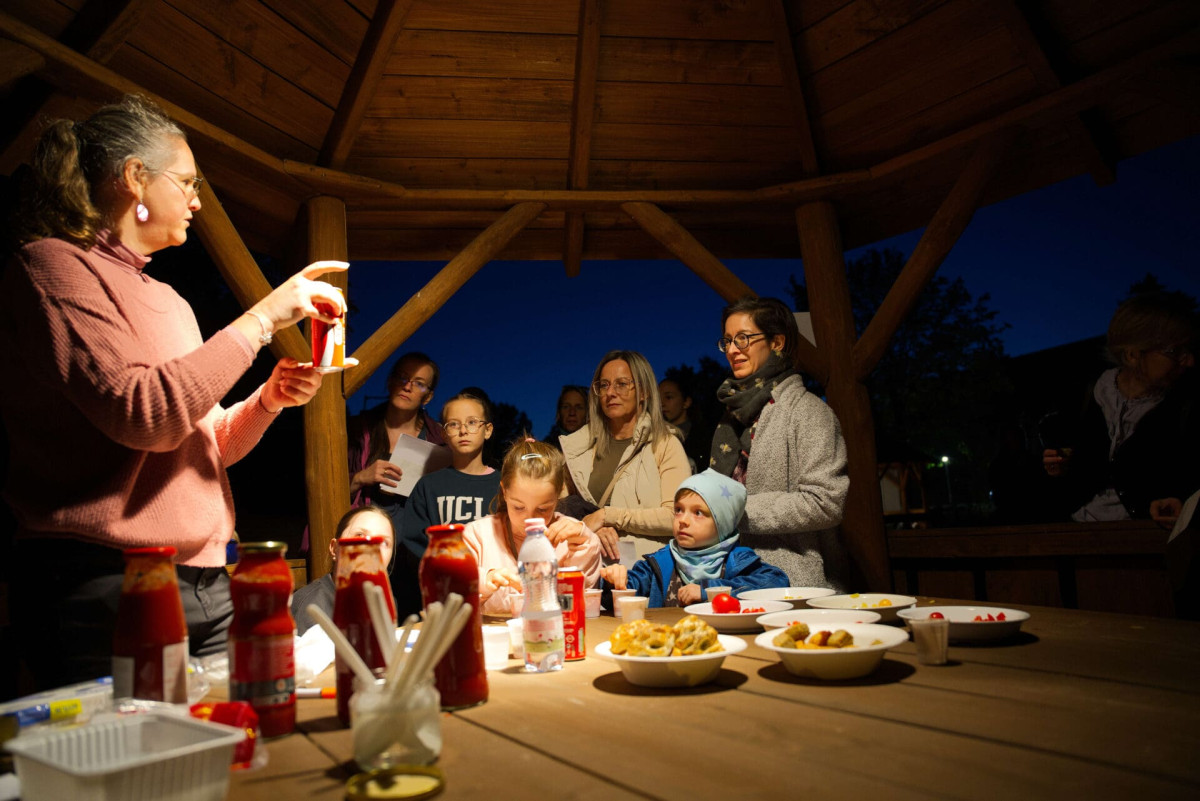
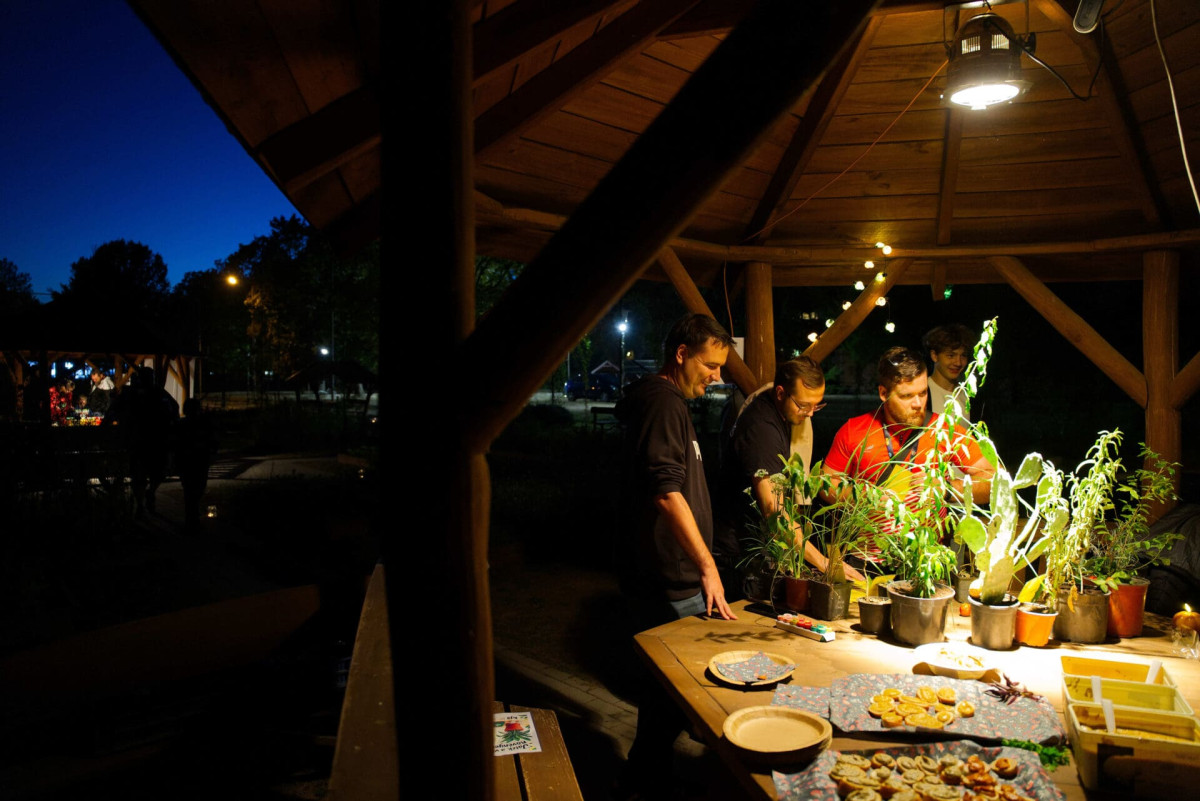
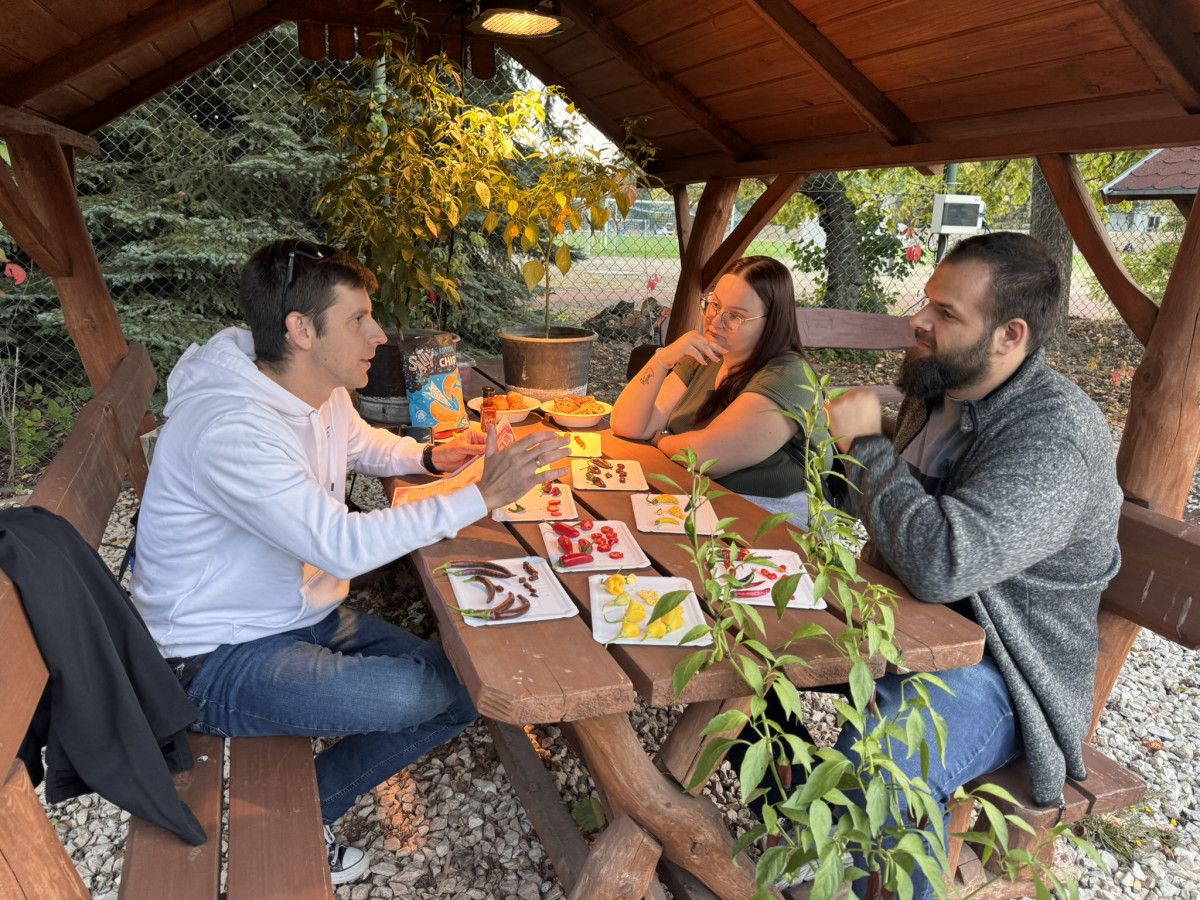
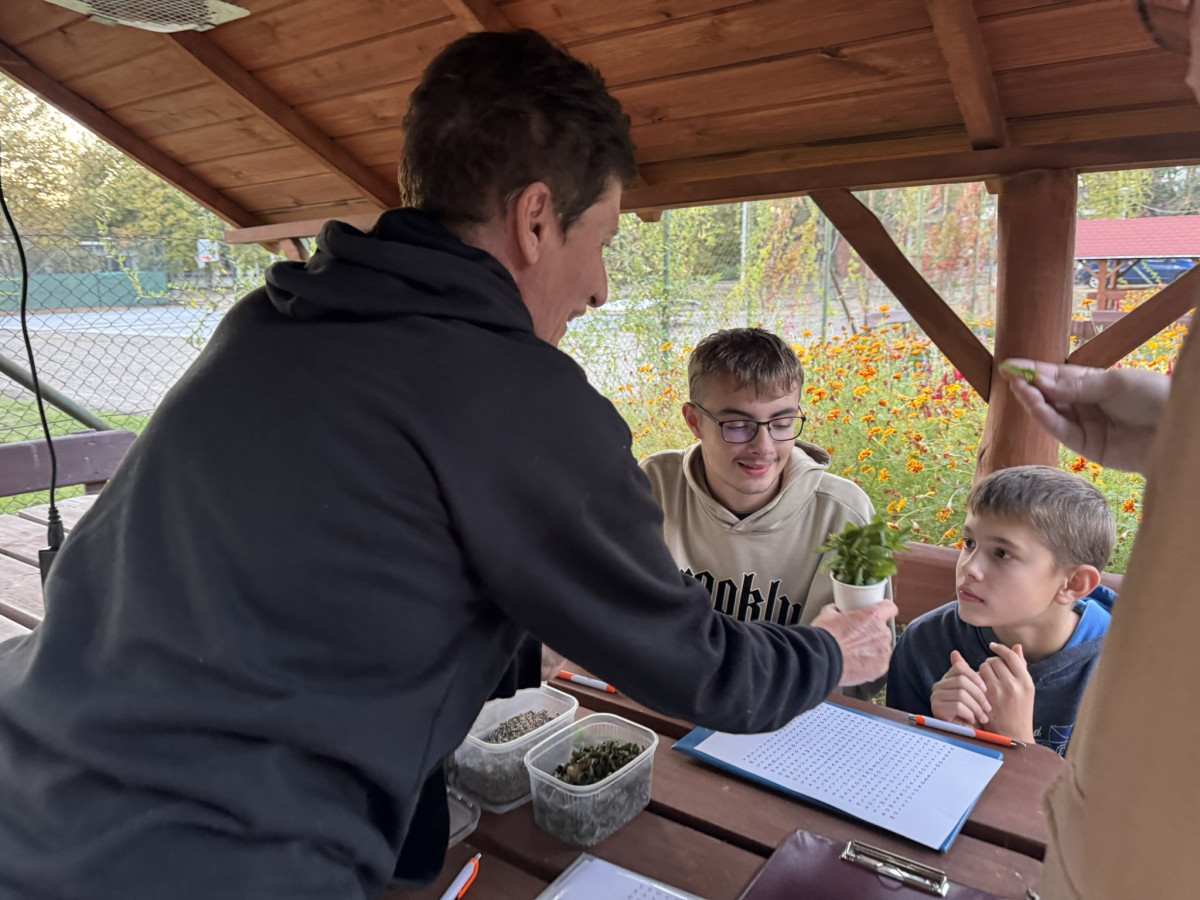
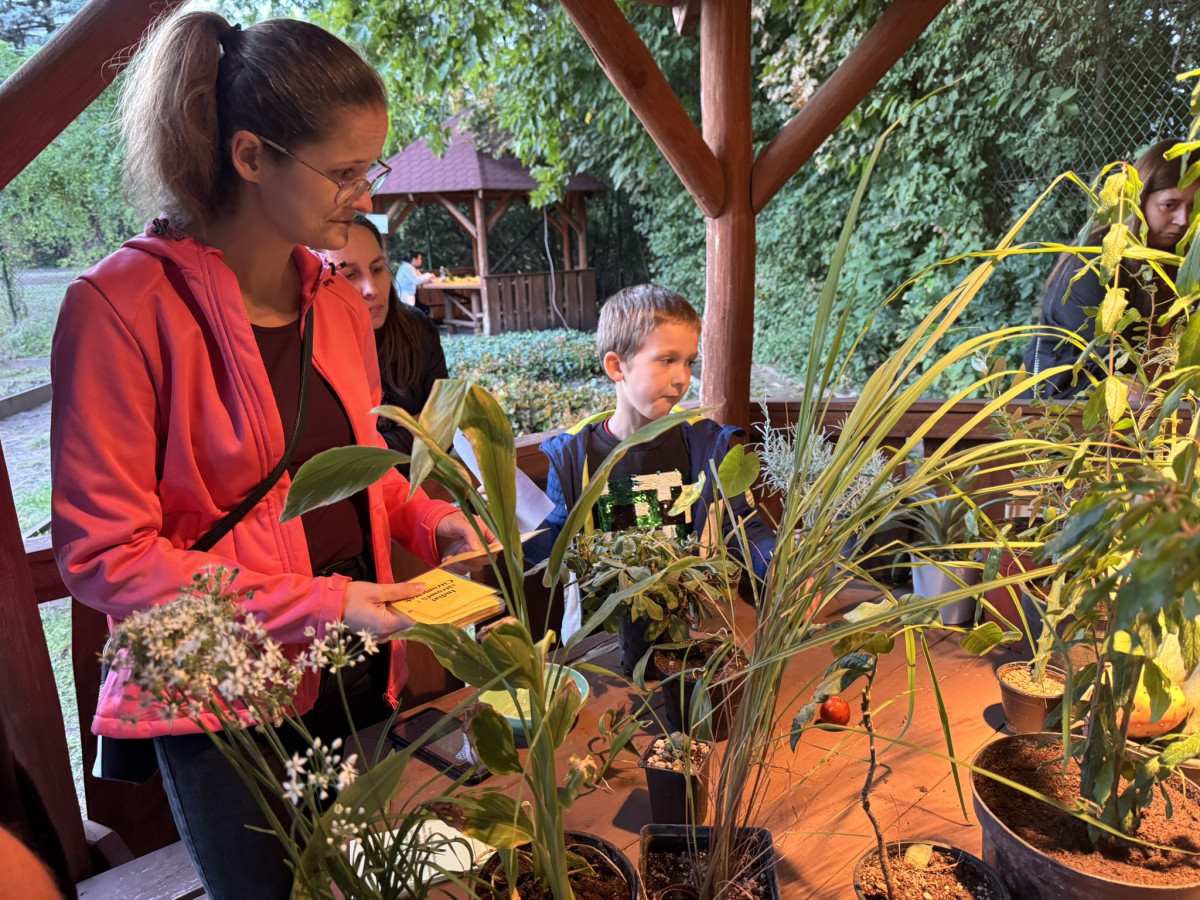
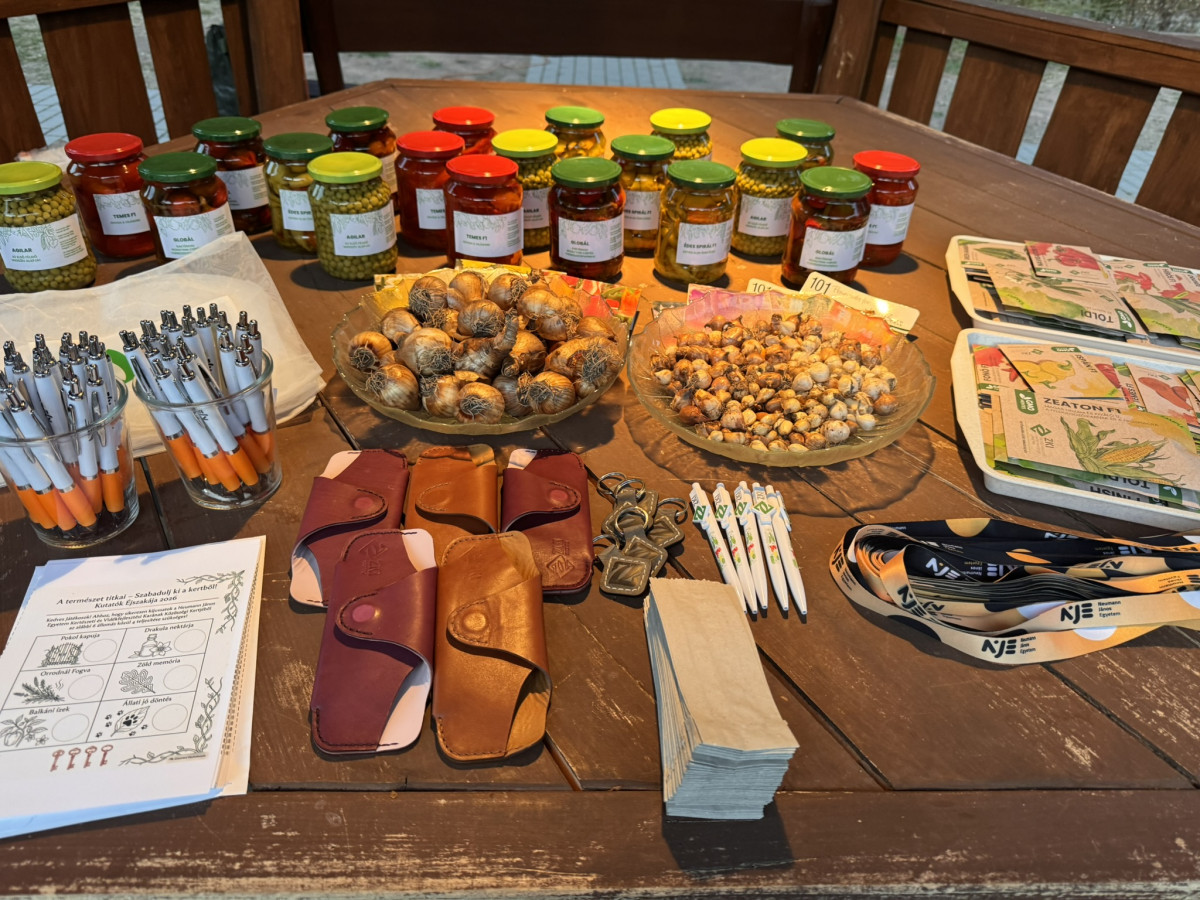
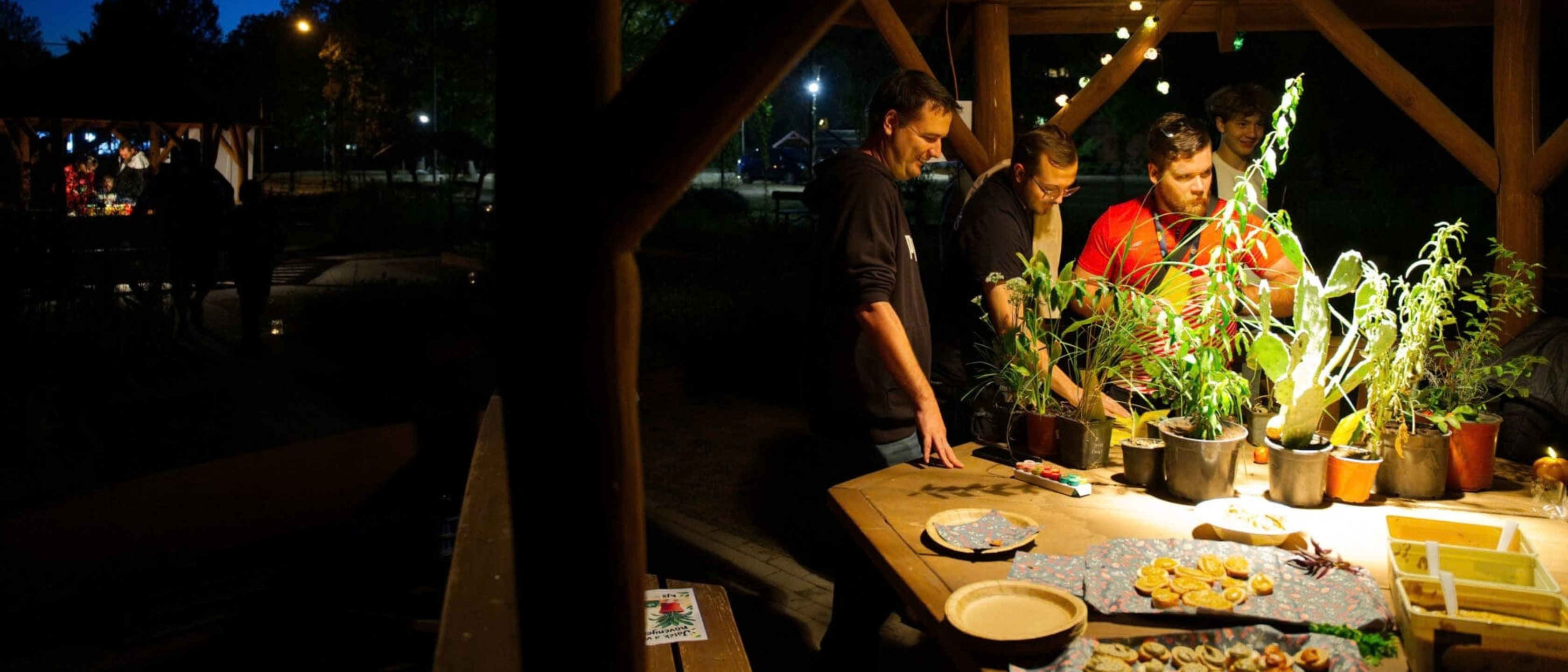
This time, science moved outdoors: In the outdoor escape room titled “The Secrets of Nature—Escape from the Garden!,” participants were challenged with tasks, brain teasers, and mysteries related to plants, animals, and rural life.
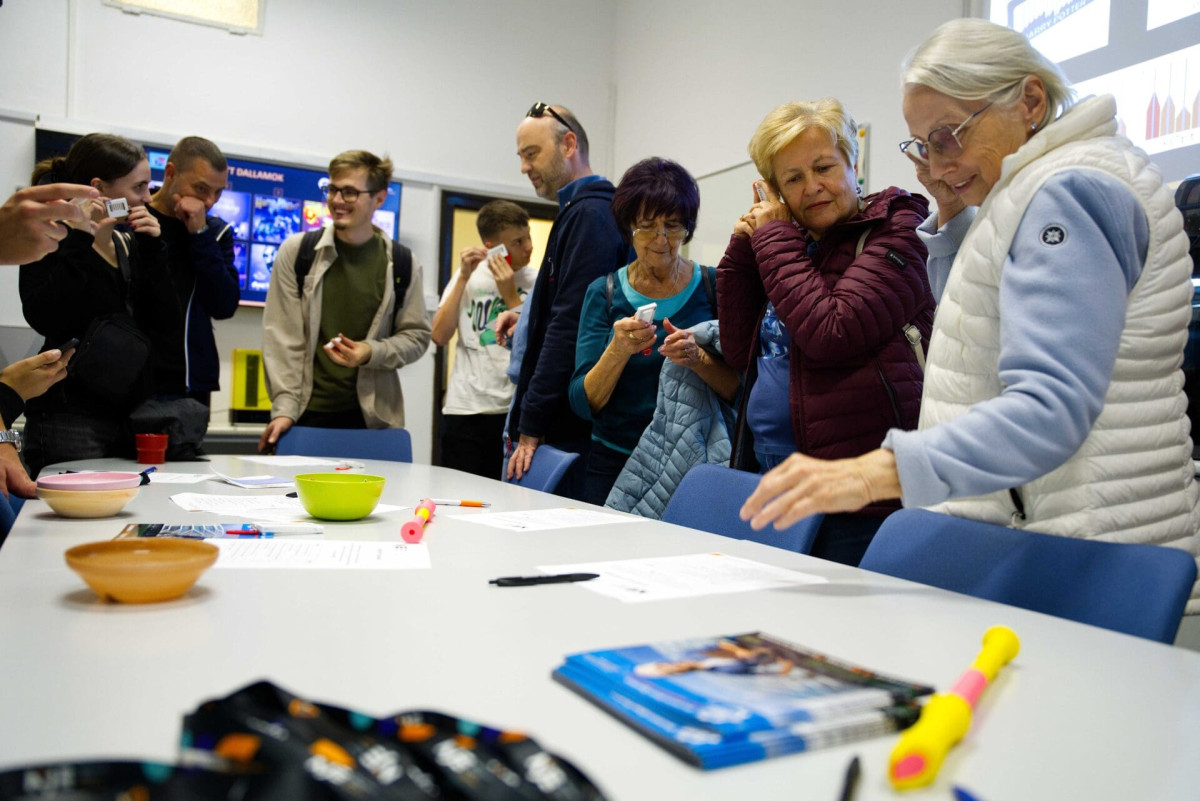
Meanwhile, in the Magic of Light Lab, visitors could explore the extraordinary world of light and vision. The program covered topics such as color perception, stereoscopic vision, and optical illusions, and visitors could also experience color mixing, UV light, polarized light, 3D experiences, and a thermal imaging demonstration.
“You, Too, Can Be a Millionaire!”
Science education wasn’t left out of the fun either. The “You, Too, Can Be a Millionaire!” program evoked the atmosphere of the popular television quiz show, though this time the questions came from the worlds of physics, chemistry, mathematics, and engineering and technology.
Participants were able to test their knowledge in a playful way, while also discovering that the path to scientific questions can be just as exciting as the answers themselves.
Researchers’ Night once again proved that science can engage people in countless ways.