2025-12-08 16:41
Neumann János University is a key player in the VETXchange project, which connects Europe and the Philippines to modernize vocational education.
A multinational initiative is strengthening ties between Europe and Southeast Asia through a new wave of cooperation in vocational education and training (VET). The VETXchange project (European–Philippine Partnership Strengthens Vocational Education Through International Collaboration)—funded by the European Union and Hungary’s National Research, Development and Innovation Office—brings together partners from Hungary, Belgium, Greece, and the Philippines to promote mobility, professional exchange, and modern training practices.
Tackling Shared Workforce Challenges
Europe is grappling with a shortage of skilled labor, while many Filipino workers find themselves in low-skilled jobs abroad despite having stronger qualifications. VETXchange aims to address both issues by aligning education systems, facilitating mutual learning, and improving the recognition of skills across regions.
Project leaders say the initiative is intended to create “long-standing connections between institutions, industries, and the people who move between them.”
As part of the program, students, educators, and administrators participate in study trips, job shadowing, and workshops designed to strengthen institutional capacity and encourage long-term collaboration.
Learning From European Models
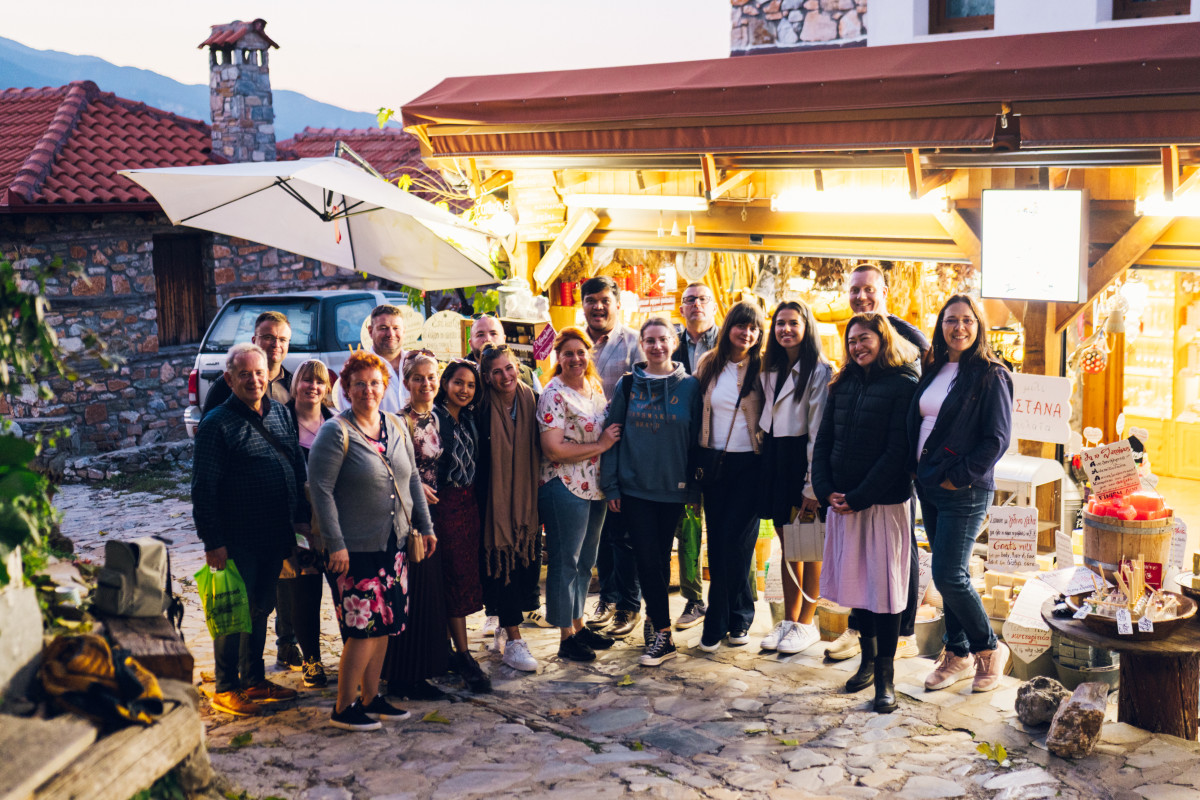
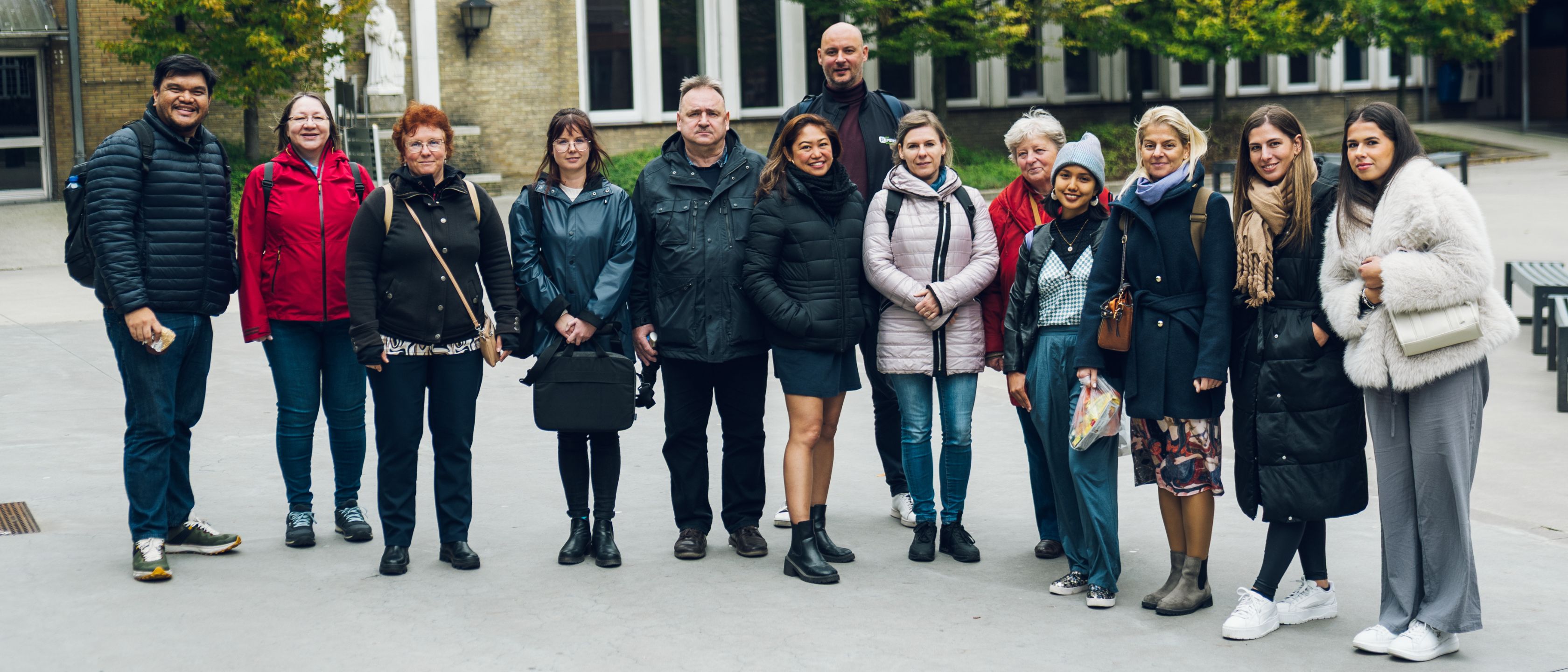
In October, representatives from John von Neumann University joined study visits to Greece and Belgium, gaining firsthand insight into how different European countries approach vocational education.
Greece:
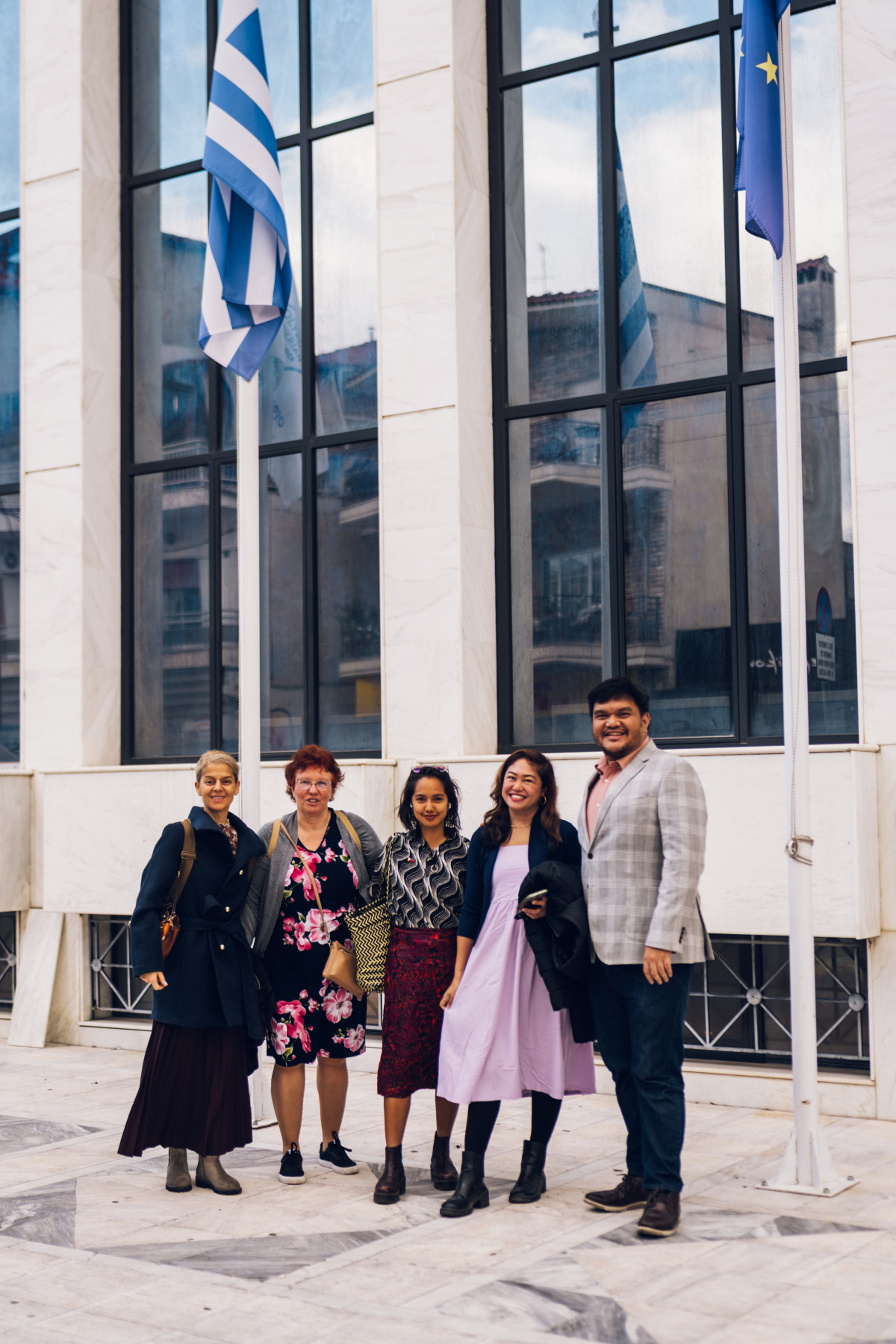
The delegation visited several institutions and companies in Pieria and Thessaloniki, observing how Greek VET programs are woven into broader efforts to support innovation and entrepreneurship. Stops included the Pieria Chamber of Commerce and Industry, Platon Private School, JOIST Innovation Park, and Archontiko Convenience Store. The visits highlighted Greece’s efforts to align vocational training with local economic development and international cooperation.
Belgium:
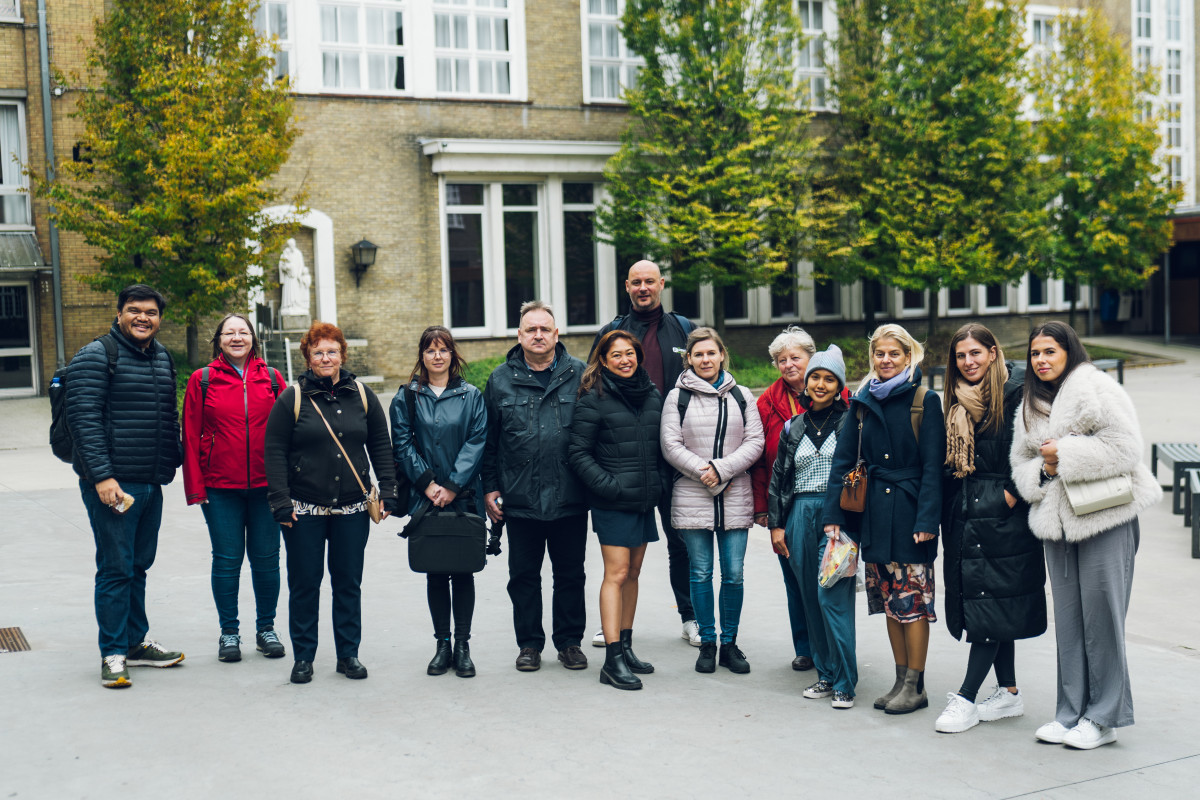
In Torhout, the group toured Technisch Instituut Sint-Vincentius, where they saw how Belgian VET schools foster strong links between education and employment. The school’s programs provided an example of how practical training can lead directly into stable, in-demand careers.
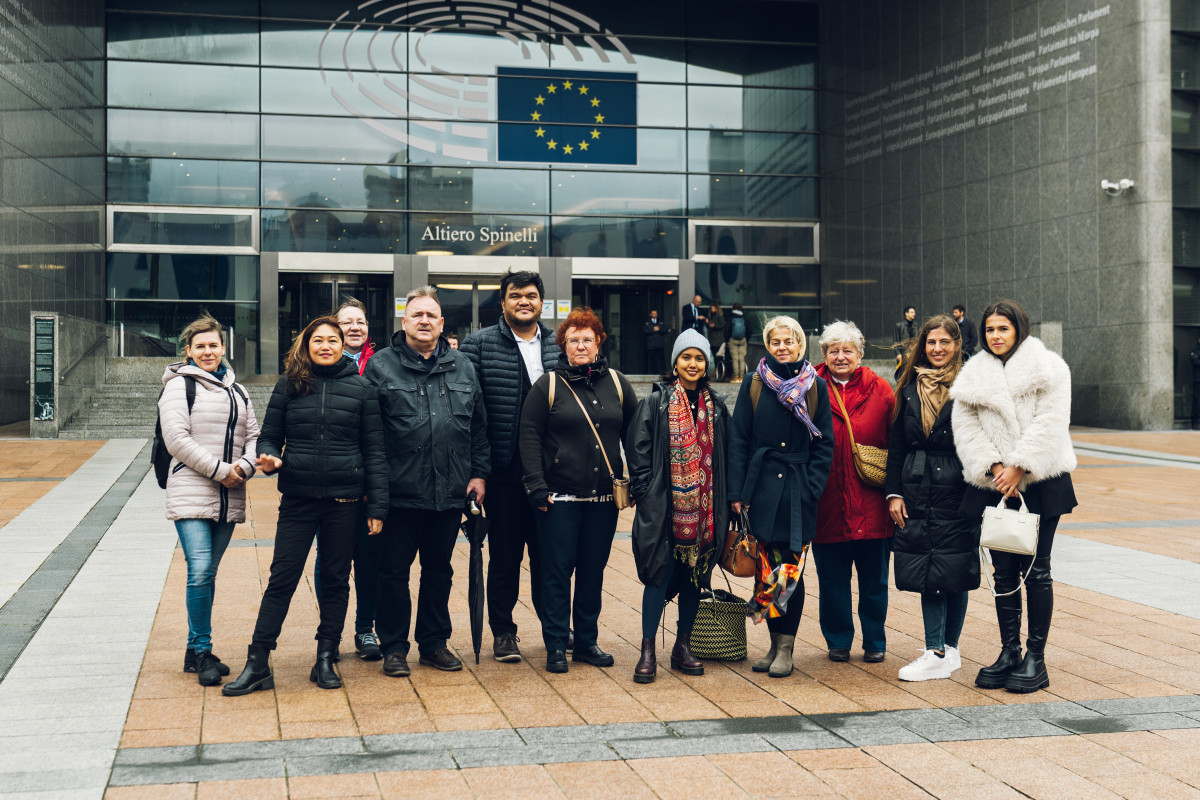
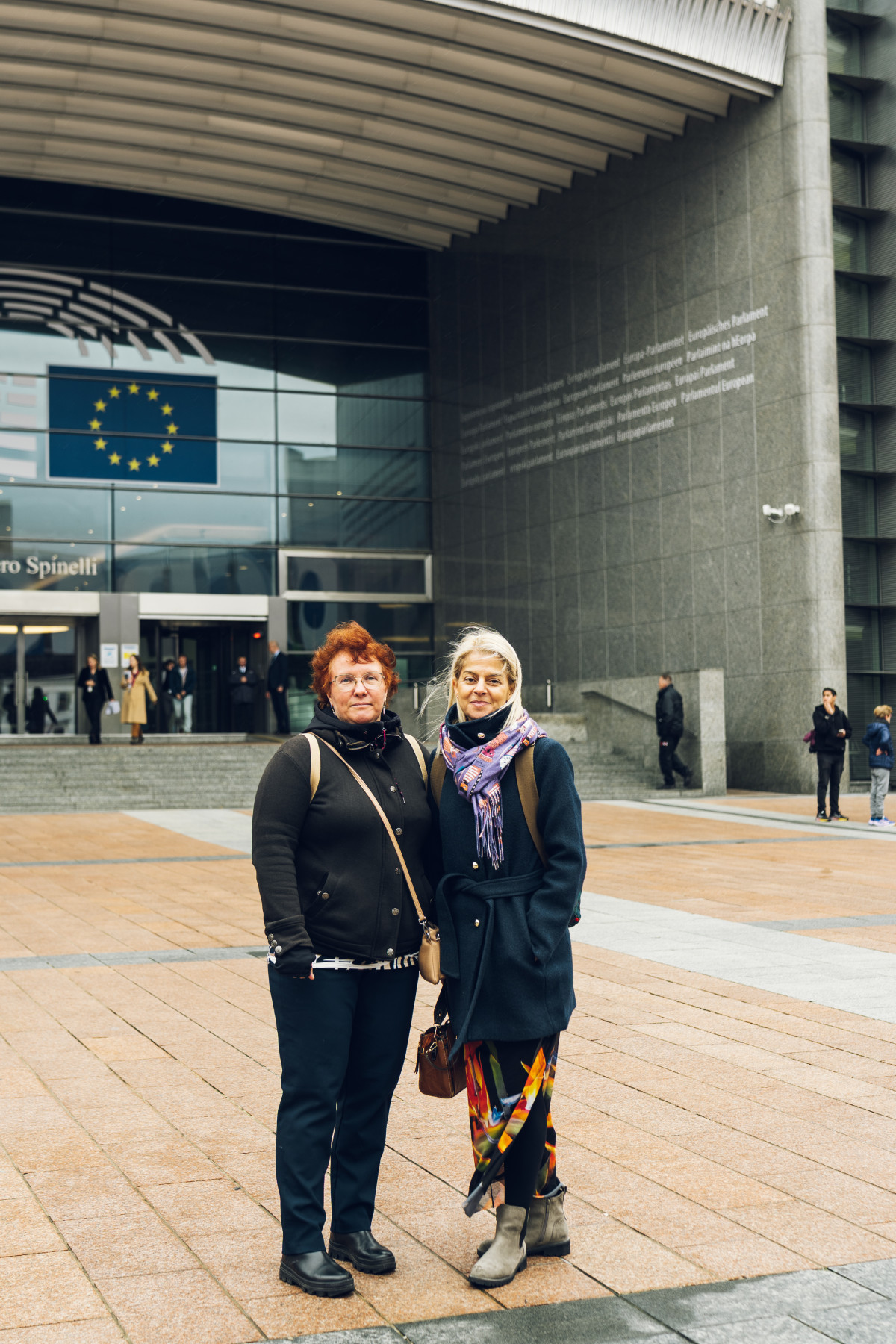
The delegation also traveled to Brussels, where visits to the Parlamentarium and the House of European History offered context on the European Union’s democratic values and its influence on education policy. These institutions underscored the role of shared European identity in shaping collaborative initiatives like VETXchange.
A Model for Future Cooperation
VETXchange demonstrates how international partnerships can help reshape vocational education in response to global economic shifts. By bringing together policymakers, educators, and industry leaders, the project aims to build a more adaptable and connected VET landscape.
Through shared expertise and sustained engagement, the initiative is setting the groundwork for stronger cross-continental cooperation—and new opportunities for learners and professionals on both sides.
Photo by Krisztián Birkás
.jpg?r=e675f80363a9ddf6c36a93d909fe44f3)